
Never Miss an Update
Subscribe to PepTalk and get the latest FDA updates, research highlights, and industry news delivered straight to your inbox.
Never Miss an Update
Subscribe to PepTalk and get the latest FDA updates, research highlights, and industry news delivered straight to your inbox.
Never Miss an Update
PROFESSIONALS
•
What Medical Professionals Are Saying About the Future of Peptides
What Medical Professionals Are Saying About the Future of Peptides
The FDA’s recent peptide review could help shape the future of regulated peptide compounding in the U.S.
The FDA’s recent peptide review could help shape the future of regulated peptide compounding in the U.S.

By PepMed Editorial Team
By PepMed Editorial Team
PepMed Updates
PepMed Updates


Important Takeaway
The FDA committee’s recommendations could help create a more structured pathway for certain compounded peptides—but they do not mean these peptides are FDA-approved or automatically available for compounding.
The FDA committee’s recommendations could help create a more structured pathway for certain compounded peptides—but they do not mean these peptides are FDA-approved or automatically available for compounding.
The FDA committee’s recommendations could help create a more structured pathway for certain compounded peptides—but they do not mean these peptides are FDA-approved or automatically available for compounding.
Peptides have become one of the most discussed areas in modern wellness, metabolic health, recovery, longevity, and regenerative medicine.
In July 2026, the FDA's Pharmacy Compounding Advisory Committee (PCAC) reviewed several peptide-related bulk drug substances for potential inclusion on the 503A Bulks List.
The substances reviewed included:
BPC-157
TB-500
KPV
MOTS-C
Semax
Epitalon
Emideltide (also known as DSIP)
The meeting represented an important development in the ongoing debate over how certain peptide compounds should be regulated and whether some could eventually be compounded by licensed 503A pharmacies.
A Shift Toward Regulated Access
One of the central questions surrounding peptide medicine is how growing patient demand should be addressed while protecting patient safety.
Many of these peptides have become widely available through online and gray-market sources despite limited clinical evidence and significant regulatory uncertainty.
Supporters of expanded compounding access argue that allowing certain substances to be prescribed and compounded within appropriately regulated healthcare settings could provide greater oversight, traceability, and quality control than patients purchasing products from unverified sources.
At the same time, FDA reviewers have raised important concerns about several of these substances, including limited human safety data, potential immunogenicity, peptide-related impurities, and challenges associated with characterizing some peptide active pharmaceutical ingredients.
These concerns make careful regulatory review particularly important.
Industry Professionals Weigh In
Demand for peptide therapies has continued to grow despite the regulatory uncertainty surrounding many of these compounds.
Scott Brunner, CEO of the Alliance for Pharmacy Compounding, told Reuters ahead of the FDA meeting that compounding pharmacies were receiving significant interest from both patients and prescribers but could not legally compound the substances under consideration at that time.
The debate illustrates the challenge regulators face.
Restricting access may discourage the use of compounds for which adequate safety and effectiveness evidence is lacking. However, supporters of regulated access argue that demand does not necessarily disappear when legitimate access is restricted and that some consumers may instead turn to unverified online markets.
Finding an appropriate balance between evidence, access, quality, and patient safety has therefore become a central part of the peptide-compounding discussion.
What Happened at the FDA Meeting
On July 23 and 24, 2026, the FDA advisory committee evaluated seven peptide-related bulk drug substances.
The committee ultimately recommended that six of the seven substances be considered for inclusion on the 503A Bulks List, while recommending against inclusion of emideltide (DSIP).
That recommendation does not mean these peptides are FDA-approved drugs.
It also does not automatically mean that 503A pharmacies can begin routinely compounding them.
FDA advisory committees provide independent recommendations to the agency. Those recommendations are non-binding, and the FDA ultimately determines how to proceed through the applicable regulatory process.
Still, the committee's recommendations represent an important development in the regulatory conversation surrounding peptide compounding.
Why the FDA Review Matters
The FDA meeting was not about approving BPC-157, TB-500, Semax, or the other compounds as commercially marketed drugs.
Instead, the committee considered whether the bulk drug substances should be included on the 503A Bulks List, which can permit their use in certain compounded preparations when applicable legal requirements are satisfied.
That distinction matters.
If certain peptide substances ultimately become eligible for compounding through appropriate 503A pathways, access could increasingly occur within a healthcare environment involving:
licensed prescribers
licensed compounding pharmacies
pharmacy quality requirements
more transparent sourcing
patient monitoring
greater accountability
However, inclusion on a compounding pathway should not be interpreted as proof that a peptide has been demonstrated to be safe or effective for every use for which it may be promoted.
Compounded drugs are not FDA-approved, and the FDA does not evaluate them for safety, effectiveness, and manufacturing quality before marketing in the same manner as FDA-approved medications.
The Future of Peptide Medicine
The broader medical and regulatory conversation surrounding peptides is clearly evolving.
Researchers, clinicians, pharmacists, regulators, and patients are increasingly discussing how emerging peptide therapies may fit within modern healthcare while maintaining appropriate safeguards.
At PepMed, we believe the future of peptide medicine should prioritize:
transparency
medical oversight
responsible access
patient education
quality-focused pharmacy partnerships
evidence-based decision-making
The July 2026 FDA advisory committee meeting did not settle the future of these peptides.
But it marked an important step in determining whether some may eventually move from regulatory uncertainty and gray-market demand toward more structured healthcare pathways.
As the science and regulatory landscape continue developing, we'll continue following the research, FDA decisions, and healthcare professionals shaping what comes next.
Peptides have become one of the most discussed areas in modern wellness, metabolic health, recovery, longevity, and regenerative medicine.
In July 2026, the FDA's Pharmacy Compounding Advisory Committee (PCAC) reviewed several peptide-related bulk drug substances for potential inclusion on the 503A Bulks List.
The substances reviewed included:
BPC-157
TB-500
KPV
MOTS-C
Semax
Epitalon
Emideltide (also known as DSIP)
The meeting represented an important development in the ongoing debate over how certain peptide compounds should be regulated and whether some could eventually be compounded by licensed 503A pharmacies.
A Shift Toward Regulated Access
One of the central questions surrounding peptide medicine is how growing patient demand should be addressed while protecting patient safety.
Many of these peptides have become widely available through online and gray-market sources despite limited clinical evidence and significant regulatory uncertainty.
Supporters of expanded compounding access argue that allowing certain substances to be prescribed and compounded within appropriately regulated healthcare settings could provide greater oversight, traceability, and quality control than patients purchasing products from unverified sources.
At the same time, FDA reviewers have raised important concerns about several of these substances, including limited human safety data, potential immunogenicity, peptide-related impurities, and challenges associated with characterizing some peptide active pharmaceutical ingredients.
These concerns make careful regulatory review particularly important.
Industry Professionals Weigh In
Demand for peptide therapies has continued to grow despite the regulatory uncertainty surrounding many of these compounds.
Scott Brunner, CEO of the Alliance for Pharmacy Compounding, told Reuters ahead of the FDA meeting that compounding pharmacies were receiving significant interest from both patients and prescribers but could not legally compound the substances under consideration at that time.
The debate illustrates the challenge regulators face.
Restricting access may discourage the use of compounds for which adequate safety and effectiveness evidence is lacking. However, supporters of regulated access argue that demand does not necessarily disappear when legitimate access is restricted and that some consumers may instead turn to unverified online markets.
Finding an appropriate balance between evidence, access, quality, and patient safety has therefore become a central part of the peptide-compounding discussion.
What Happened at the FDA Meeting
On July 23 and 24, 2026, the FDA advisory committee evaluated seven peptide-related bulk drug substances.
The committee ultimately recommended that six of the seven substances be considered for inclusion on the 503A Bulks List, while recommending against inclusion of emideltide (DSIP).
That recommendation does not mean these peptides are FDA-approved drugs.
It also does not automatically mean that 503A pharmacies can begin routinely compounding them.
FDA advisory committees provide independent recommendations to the agency. Those recommendations are non-binding, and the FDA ultimately determines how to proceed through the applicable regulatory process.
Still, the committee's recommendations represent an important development in the regulatory conversation surrounding peptide compounding.
Why the FDA Review Matters
The FDA meeting was not about approving BPC-157, TB-500, Semax, or the other compounds as commercially marketed drugs.
Instead, the committee considered whether the bulk drug substances should be included on the 503A Bulks List, which can permit their use in certain compounded preparations when applicable legal requirements are satisfied.
That distinction matters.
If certain peptide substances ultimately become eligible for compounding through appropriate 503A pathways, access could increasingly occur within a healthcare environment involving:
licensed prescribers
licensed compounding pharmacies
pharmacy quality requirements
more transparent sourcing
patient monitoring
greater accountability
However, inclusion on a compounding pathway should not be interpreted as proof that a peptide has been demonstrated to be safe or effective for every use for which it may be promoted.
Compounded drugs are not FDA-approved, and the FDA does not evaluate them for safety, effectiveness, and manufacturing quality before marketing in the same manner as FDA-approved medications.
The Future of Peptide Medicine
The broader medical and regulatory conversation surrounding peptides is clearly evolving.
Researchers, clinicians, pharmacists, regulators, and patients are increasingly discussing how emerging peptide therapies may fit within modern healthcare while maintaining appropriate safeguards.
At PepMed, we believe the future of peptide medicine should prioritize:
transparency
medical oversight
responsible access
patient education
quality-focused pharmacy partnerships
evidence-based decision-making
The July 2026 FDA advisory committee meeting did not settle the future of these peptides.
But it marked an important step in determining whether some may eventually move from regulatory uncertainty and gray-market demand toward more structured healthcare pathways.
As the science and regulatory landscape continue developing, we'll continue following the research, FDA decisions, and healthcare professionals shaping what comes next.
Medical Disclaimer: This content is provided for educational and informational purposes only and does not constitute medical advice, diagnosis, or treatment. Reading this content does not establish a provider-patient relationship with PepMed. Always consult a qualified healthcare professional regarding your individual health and treatment decisions. [Read our full Medical Disclaimer]
Medical Disclaimer: This content is provided for educational and informational purposes only and does not constitute medical advice, diagnosis, or treatment. Reading this content does not establish a provider-patient relationship with PepMed. Always consult a qualified healthcare professional regarding your individual health and treatment decisions. [Read our full Medical Disclaimer]

Access. Trust. Convenience.
A new era of Physician guided care.
_________
PepMed connects you with licensed physicians and personalized care - anytime, anywhere.




COMING SOON
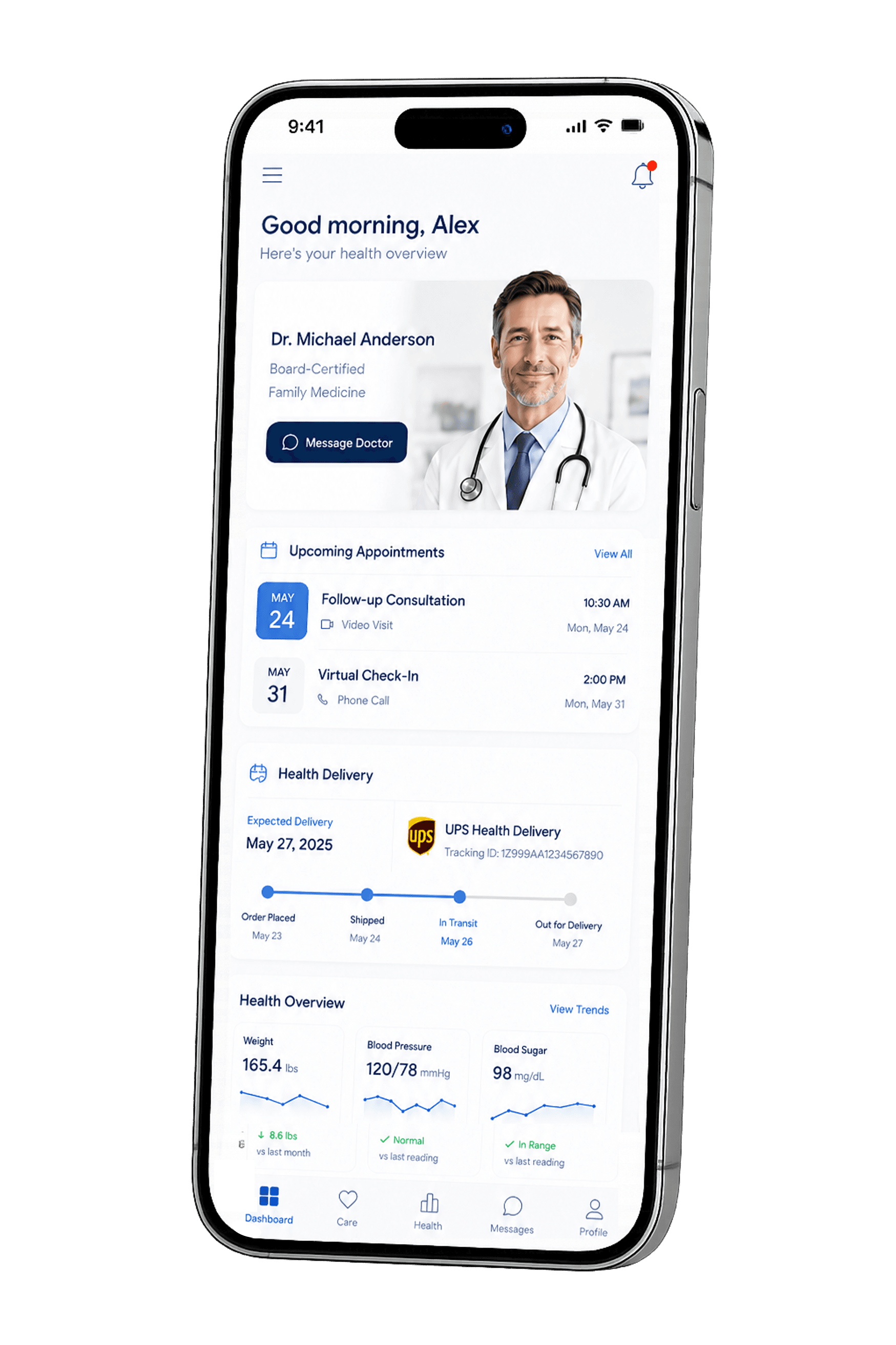
The PepMed mobile app.
Access consultations, health insights and more - all from your phone.


Stay tuned for launch updates.
PepTalk Updates
New articles, platform news and launch announcements


Virtual Care
Connect with licensed providers from wherever you are.

Treatment Access
Treatment options prescribed by licensed healthcare providers.

See Your Progress
Appointments, delivery tracking and health trends in one place.
© 2026 PepMed. All rights reserved
Access. Trust. Convenience.
A new era of Physician guided care.
_________
PepMed connects you with licensed physicians and personalized care - anytime, anywhere.
COMING SOON
The PepMed mobile app.
Access consultations, health insights and more - all from your phone.
PepTalk Updates
New articles, platform news and launch announcements
Virtual Care
Connect with licensed providers from wherever you are.
Treatment Access
Treatment options prescribed by licensed healthcare providers.
See Your Progress
Appointments, delivery tracking and health trends in one place.
© 2026 PepMed. All rights reserved
Access. Trust. Convenience.
A new era of Physician guided care.
_________
PepMed connects you with licensed physicians and personalized care - anytime, anywhere.
COMING SOON
The PepMed mobile app.
Access consultations, health insights and more - all from your phone.
PepTalk Updates
New articles, platform news and launch announcements
Virtual Care
Connect with licensed providers from wherever you are.
Treatment Access
Treatment options prescribed by licensed healthcare providers.
See Your Progress
Appointments, delivery tracking and health trends in one place.
© 2026 PepMed. All rights reserved