
Never Miss an Update
Subscribe to PepTalk and get the latest FDA updates, research highlights, and industry news delivered straight to your inbox.
Never Miss an Update
Subscribe to PepTalk and get the latest FDA updates, research highlights, and industry news delivered straight to your inbox.
Never Miss an Update
RESEARCH
•
Why Researchers Are Paying Attention to BPC-157
Why Researchers Are Paying Attention to BPC-157
Research into BPC-157 shows intriguing potential for tissue repair and recovery, but human evidence remains limited.
Research into BPC-157 shows intriguing potential for tissue repair and recovery, but human evidence remains limited.

By PepMed Editorial Team
By PepMed Editorial Team
PepMed Updates
PepMed Updates


Important Takeaway
BPC-157 has shown promising effects in preclinical research, but more human clinical evidence is needed to establish its safety and effectiveness.
BPC-157 has shown promising effects in preclinical research, but more human clinical evidence is needed to establish its safety and effectiveness.
BPC-157 has shown promising effects in preclinical research, but more human clinical evidence is needed to establish its safety and effectiveness.
BPC-157 has become one of the most discussed investigational peptides in recovery and regenerative medicine.
Derived from a naturally occurring gastric protein sequence, BPC-157 has attracted research interest for its potential effects on:
tissue repair
inflammatory pathways
tendon and ligament healing
muscle recovery
gastrointestinal protection
While preclinical research has produced intriguing findings, human clinical evidence remains limited. BPC-157 is not currently an FDA-approved drug, and significant questions remain regarding its safety and effectiveness in humans.
What Recent Research Shows
A 2025 narrative review titled Regeneration or Risk? A Narrative Review of BPC-157 for Musculoskeletal Healing examined published research surrounding BPC-157 and its potential role in musculoskeletal healing.
The review found that preclinical research suggests BPC-157 may influence several biological processes involved in tissue repair, including:
angiogenesis, or the formation of new blood vessels
growth-factor signaling
collagen formation
tendon and ligament healing
inflammatory pathways
Researchers have also investigated BPC-157 in areas including muscle injury and gastrointestinal protection.
However, an important distinction remains: much of the evidence supporting these potential effects comes from laboratory and animal studies rather than robust human clinical trials.
The review's authors concluded that BPC-157 shows potential for musculoskeletal applications while emphasizing the need for rigorous human clinical research to establish its safety, efficacy, and appropriate dosing.
BPC-157 and the FDA
BPC-157 also received significant regulatory attention in 2026.
On July 23, the FDA's Pharmacy Compounding Advisory Committee reviewed BPC-157 free base and BPC-157 acetate for potential inclusion on the 503A Bulks List.
The FDA evaluated BPC-157 in connection with its nominated use for ulcerative colitis.
This review was not an evaluation for FDA approval of BPC-157 as a drug. Instead, the committee considered whether BPC-157-related bulk drug substances should be included on the list of substances that may be used in certain preparations compounded under Section 503A of the Federal Food, Drug, and Cosmetic Act.
The distinction is important.
BPC-157 is not currently a component of an FDA-approved drug, and FDA has identified important uncertainties surrounding its use.
FDA has previously raised concerns about limited human safety information, potential immunogenicity, peptide-related impurities, and challenges associated with characterizing the active pharmaceutical ingredient.
These concerns reinforce why continued research and regulatory evaluation are important as interest in BPC-157 grows.
Why Interest Is Growing
Despite the unanswered questions, BPC-157 has attracted significant interest across:
sports and musculoskeletal research
recovery-focused wellness
regenerative medicine
gastrointestinal research
Much of that interest comes from the wide range of biological effects observed in preclinical studies.
But promising laboratory or animal findings do not necessarily translate into safe and effective treatments for humans.
The 2025 review reinforces this distinction: BPC-157 remains an intriguing area of research, but substantially more high-quality human evidence is needed before definitive conclusions can be made about its clinical benefits, risks, or appropriate use.
The Future of BPC-157 Research
BPC-157 demonstrates both the potential and uncertainty surrounding emerging peptide research.
Preclinical findings have generated significant scientific and public interest, while limited human evidence and unresolved safety questions demonstrate why rigorous clinical research remains essential.
At PepMed, we believe education and transparency are particularly important as peptide science develops.
Our goal is to help patients understand not only the potential of emerging therapies, but also the strength of the evidence, their regulatory status, and the questions researchers have yet to answer.
As the science and regulatory landscape surrounding BPC-157 continue to evolve, we'll continue following the research closely.
BPC-157 has become one of the most discussed investigational peptides in recovery and regenerative medicine.
Derived from a naturally occurring gastric protein sequence, BPC-157 has attracted research interest for its potential effects on:
tissue repair
inflammatory pathways
tendon and ligament healing
muscle recovery
gastrointestinal protection
While preclinical research has produced intriguing findings, human clinical evidence remains limited. BPC-157 is not currently an FDA-approved drug, and significant questions remain regarding its safety and effectiveness in humans.
What Recent Research Shows
A 2025 narrative review titled Regeneration or Risk? A Narrative Review of BPC-157 for Musculoskeletal Healing examined published research surrounding BPC-157 and its potential role in musculoskeletal healing.
The review found that preclinical research suggests BPC-157 may influence several biological processes involved in tissue repair, including:
angiogenesis, or the formation of new blood vessels
growth-factor signaling
collagen formation
tendon and ligament healing
inflammatory pathways
Researchers have also investigated BPC-157 in areas including muscle injury and gastrointestinal protection.
However, an important distinction remains: much of the evidence supporting these potential effects comes from laboratory and animal studies rather than robust human clinical trials.
The review's authors concluded that BPC-157 shows potential for musculoskeletal applications while emphasizing the need for rigorous human clinical research to establish its safety, efficacy, and appropriate dosing.
BPC-157 and the FDA
BPC-157 also received significant regulatory attention in 2026.
On July 23, the FDA's Pharmacy Compounding Advisory Committee reviewed BPC-157 free base and BPC-157 acetate for potential inclusion on the 503A Bulks List.
The FDA evaluated BPC-157 in connection with its nominated use for ulcerative colitis.
This review was not an evaluation for FDA approval of BPC-157 as a drug. Instead, the committee considered whether BPC-157-related bulk drug substances should be included on the list of substances that may be used in certain preparations compounded under Section 503A of the Federal Food, Drug, and Cosmetic Act.
The distinction is important.
BPC-157 is not currently a component of an FDA-approved drug, and FDA has identified important uncertainties surrounding its use.
FDA has previously raised concerns about limited human safety information, potential immunogenicity, peptide-related impurities, and challenges associated with characterizing the active pharmaceutical ingredient.
These concerns reinforce why continued research and regulatory evaluation are important as interest in BPC-157 grows.
Why Interest Is Growing
Despite the unanswered questions, BPC-157 has attracted significant interest across:
sports and musculoskeletal research
recovery-focused wellness
regenerative medicine
gastrointestinal research
Much of that interest comes from the wide range of biological effects observed in preclinical studies.
But promising laboratory or animal findings do not necessarily translate into safe and effective treatments for humans.
The 2025 review reinforces this distinction: BPC-157 remains an intriguing area of research, but substantially more high-quality human evidence is needed before definitive conclusions can be made about its clinical benefits, risks, or appropriate use.
The Future of BPC-157 Research
BPC-157 demonstrates both the potential and uncertainty surrounding emerging peptide research.
Preclinical findings have generated significant scientific and public interest, while limited human evidence and unresolved safety questions demonstrate why rigorous clinical research remains essential.
At PepMed, we believe education and transparency are particularly important as peptide science develops.
Our goal is to help patients understand not only the potential of emerging therapies, but also the strength of the evidence, their regulatory status, and the questions researchers have yet to answer.
As the science and regulatory landscape surrounding BPC-157 continue to evolve, we'll continue following the research closely.
Medical Disclaimer: This content is provided for educational and informational purposes only and does not constitute medical advice, diagnosis, or treatment. Reading this content does not establish a provider-patient relationship with PepMed. Always consult a qualified healthcare professional regarding your individual health and treatment decisions. [Read our full Medical Disclaimer]
Medical Disclaimer: This content is provided for educational and informational purposes only and does not constitute medical advice, diagnosis, or treatment. Reading this content does not establish a provider-patient relationship with PepMed. Always consult a qualified healthcare professional regarding your individual health and treatment decisions. [Read our full Medical Disclaimer]

Access. Trust. Convenience.
A new era of Physician guided care.
_________
PepMed connects you with licensed physicians and personalized care - anytime, anywhere.




COMING SOON
The PepMed mobile app.
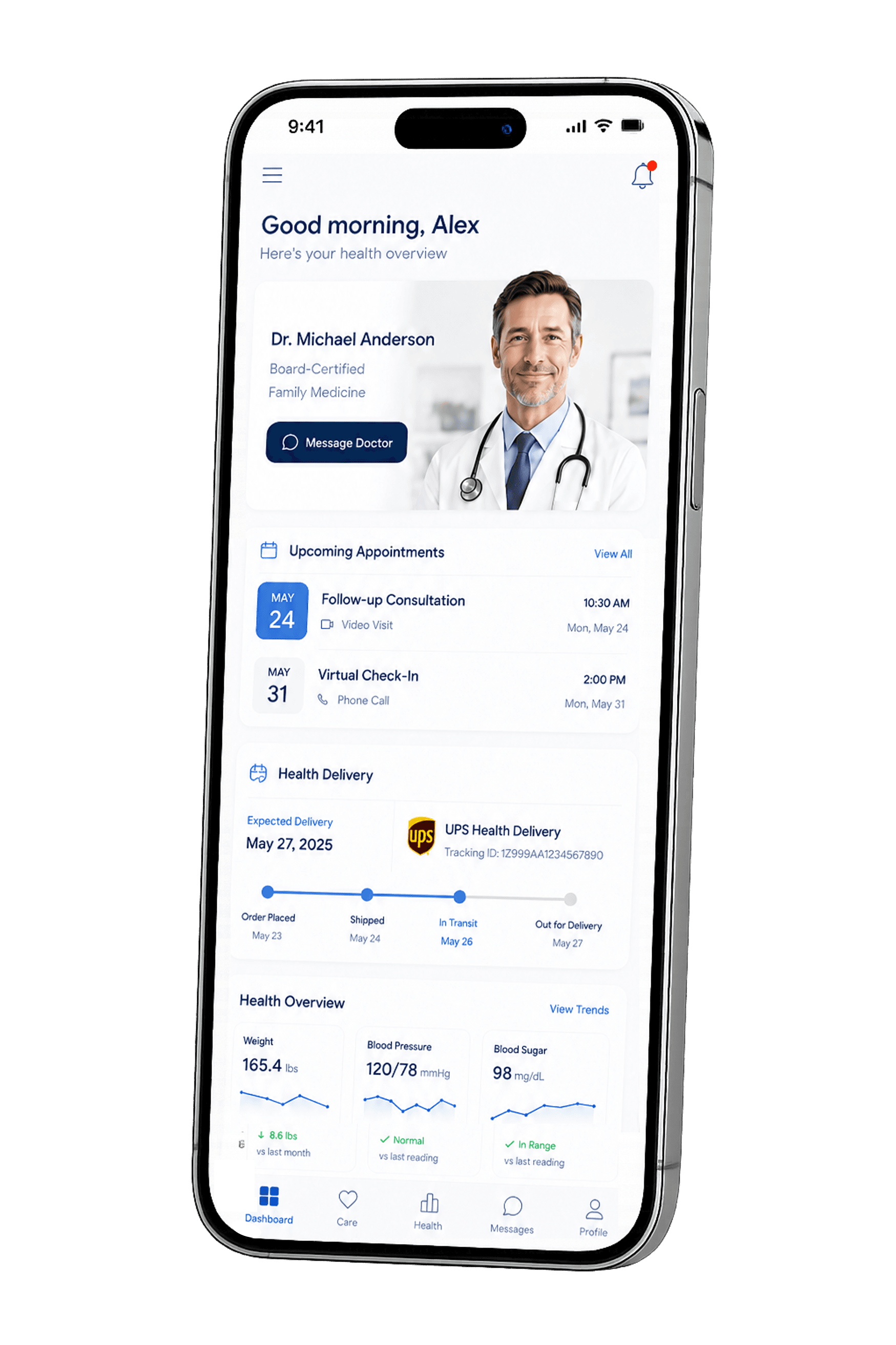
Access consultations, health insights and more - all from your phone.


Stay tuned for launch updates.
PepTalk Updates
New articles, platform news and launch announcements


Virtual Care
Connect with licensed providers from wherever you are.

Treatment Access
Treatment options prescribed by licensed healthcare providers.

See Your Progress
Appointments, delivery tracking and health trends in one place.
© 2026 PepMed. All rights reserved
Access. Trust. Convenience.
A new era of Physician guided care.
_________
PepMed connects you with licensed physicians and personalized care - anytime, anywhere.
COMING SOON
The PepMed mobile app.
Access consultations, health insights and more - all from your phone.
PepTalk Updates
New articles, platform news and launch announcements
Virtual Care
Connect with licensed providers from wherever you are.
Treatment Access
Treatment options prescribed by licensed healthcare providers.
See Your Progress
Appointments, delivery tracking and health trends in one place.
© 2026 PepMed. All rights reserved
Access. Trust. Convenience.
A new era of Physician guided care.
_________
PepMed connects you with licensed physicians and personalized care - anytime, anywhere.
COMING SOON
The PepMed mobile app.
Access consultations, health insights and more - all from your phone.
PepTalk Updates
New articles, platform news and launch announcements
Virtual Care
Connect with licensed providers from wherever you are.
Treatment Access
Treatment options prescribed by licensed healthcare providers.
See Your Progress
Appointments, delivery tracking and health trends in one place.
© 2026 PepMed. All rights reserved