
Never Miss an Update
Subscribe to PepTalk and get the latest FDA updates, research highlights, and industry news delivered straight to your inbox.
Never Miss an Update
Subscribe to PepTalk and get the latest FDA updates, research highlights, and industry news delivered straight to your inbox.
Never Miss an Update
PepMed
•
How to Get the Most Out of Your GLP-1: 8 Tips for Better Results
How to Get the Most Out of Your GLP-1: 8 Tips for Better Results
Taking a GLP-1 medication? Discover eight practical ways to support your results, preserve muscle, manage side effects, and build healthier habits during treatment.
Taking a GLP-1 medication? Discover eight practical ways to support your results, preserve muscle, manage side effects, and build healthier habits during treatment.

By PepMed Editorial Team
By PepMed Editorial Team
PepMed Updates
PepMed Updates


Important Takeaway
Getting the most out of your GLP-1 involves more than taking medication. Prioritizing protein, preserving muscle through strength training, staying hydrated, and building sustainable habits can help support healthier, longer-lasting results.
Getting the most out of your GLP-1 involves more than taking medication. Prioritizing protein, preserving muscle through strength training, staying hydrated, and building sustainable habits can help support healthier, longer-lasting results.
Getting the most out of your GLP-1 involves more than taking medication. Prioritizing protein, preserving muscle through strength training, staying hydrated, and building sustainable habits can help support healthier, longer-lasting results.
GLP-1 medications like semaglutide and tirzepatide can help reduce appetite, increase fullness, and support significant weight loss. But medication alone isn't the whole picture.
The habits you build during treatment can help support your health, preserve muscle, and make your progress more sustainable.
Here are eight ways to make the most of your GLP-1 treatment.
1. Prioritize Protein
Weight loss can involve losing muscle alongside fat. Eating adequate protein helps support muscle maintenance, particularly when combined with resistance training.
Include protein-rich foods like eggs, Greek yogurt, chicken, fish, tofu, or beans in your meals. Your ideal protein intake depends on your individual needs.
2. Don't Skip Strength Training
Resistance training helps maintain muscle strength and physical function during weight loss.
Aim to incorporate strength exercises at least twice per week, whether that's lifting weights, using resistance bands, or performing bodyweight exercises.
3. Stay Hydrated
GLP-1 medications can cause nausea, constipation, vomiting, or diarrhea, potentially increasing your risk of dehydration.
Drink fluids regularly throughout the day, especially if you're eating less than usual. Contact your provider if you're struggling to keep fluids down.
4. Eat Smaller, Balanced Meals
Because GLP-1 medications can slow stomach emptying, large meals may leave you feeling uncomfortably full.
Try smaller portions, eat slowly, and focus on nutritious foods. Avoid skipping meals simply because you're less hungry—your body still needs essential nutrients.
5. Prioritize Sleep
Poor sleep can affect appetite, energy, and your ability to maintain healthy routines.
Most adults should aim for seven to nine hours of sleep each night. A consistent sleep schedule can help support your overall weight-management efforts.
6. Keep Moving
You don't need an intense workout every day to benefit from physical activity.
Walking, cycling, swimming, and other enjoyable activities can support cardiovascular health and fitness. Build toward 150 minutes of moderate activity per week if appropriate for your health.
7. Follow Your Prescribed Dose
Higher doses don't automatically mean better results.
GLP-1 medications are typically increased gradually to help manage side effects. Never increase your dose or change your schedule without consulting your prescribing provider.
8. Track More Than Your Weight
The scale doesn't tell the entire story.
Pay attention to improvements in strength, energy, waist measurements, blood pressure, and overall well-being.
Progress isn't just about losing pounds. It's about improving your health.
What If Your Weight Loss Slows Down?
Weight-loss plateaus are common and don't necessarily mean your medication has stopped working.
Before making changes, review your nutrition, physical activity, sleep, and treatment progress with your healthcare provider. Avoid drastically reducing food intake or increasing medication doses on your own.
The Bottom Line
GLP-1 medications can be powerful tools for weight management, but healthy habits remain essential.
Eat enough protein, protect your muscle, stay active, and follow your prescribed treatment plan.
The goal isn't simply faster weight loss. It's better health and results you can maintain over time.
Medical Disclaimer: This content is provided for educational and informational purposes only and does not constitute medical advice, diagnosis, or treatment. Reading this content does not establish a provider-patient relationship with PepMed. Always consult a qualified healthcare professional regarding your individual health and treatment decisions. [Read our full Medical Disclaimer]
Medical Disclaimer: This content is provided for educational and informational purposes only and does not constitute medical advice, diagnosis, or treatment. Reading this content does not establish a provider-patient relationship with PepMed. Always consult a qualified healthcare professional regarding your individual health and treatment decisions. [Read our full Medical Disclaimer]

Access. Trust. Convenience.
A new era of Physician guided care.
_________
PepMed connects you with licensed physicians and personalized care - anytime, anywhere.




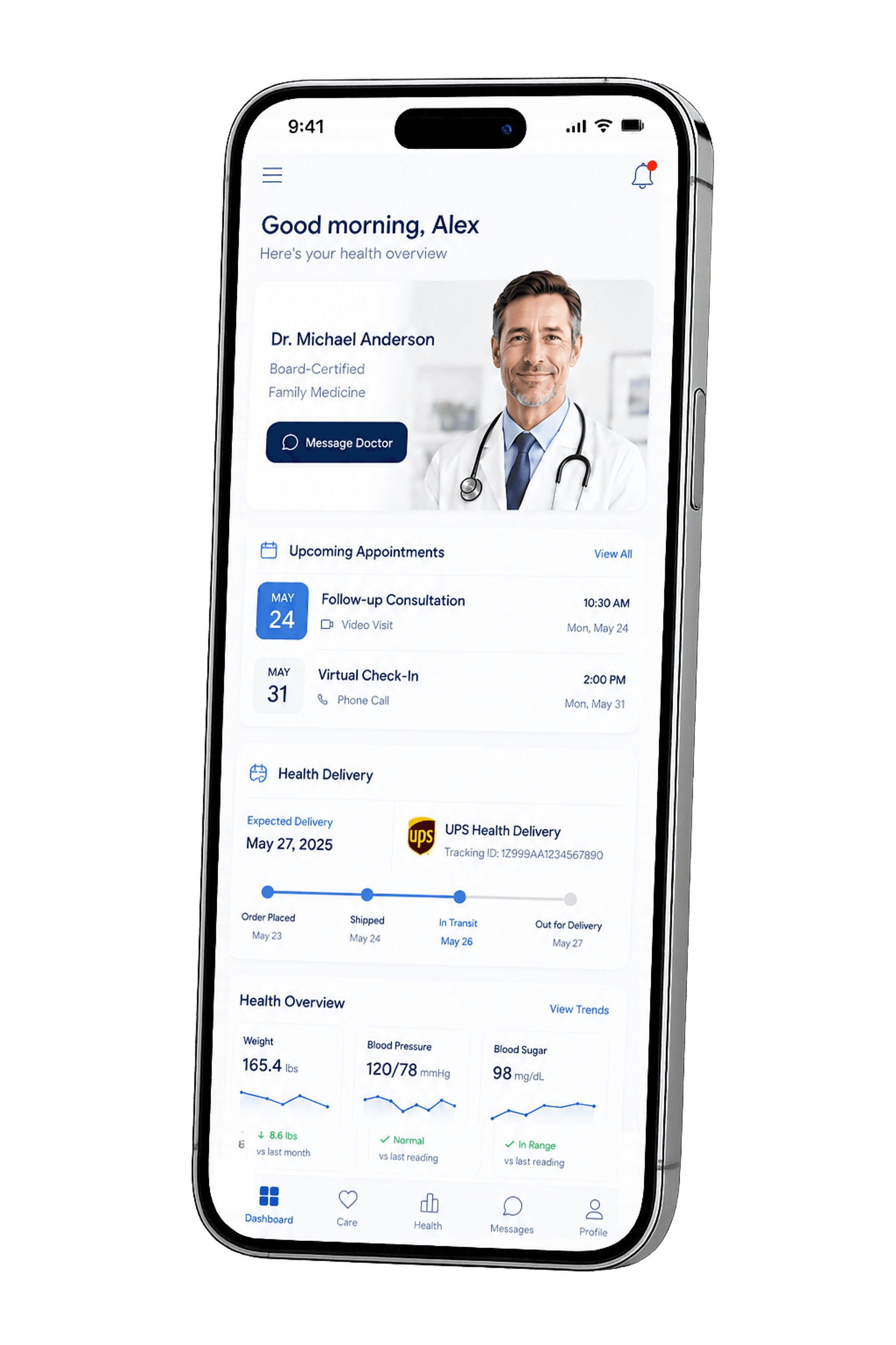
COMING SOON
The PepMed mobile app.
Access consultations, health insights and more - all from your phone.


Stay tuned for launch updates.
PepTalk Updates
New articles, platform news and launch announcements


Virtual Care
Connect with licensed providers from wherever you are.

Treatment Access
Treatment options prescribed by licensed healthcare providers.

See Your Progress
Appointments, delivery tracking and health trends in one place.
© 2026 PepMed. All rights reserved
Access. Trust. Convenience.
A new era of Physician guided care.
_________
PepMed connects you with licensed physicians and personalized care - anytime, anywhere.
COMING SOON
The PepMed mobile app.
Access consultations, health insights and more - all from your phone.
PepTalk Updates
New articles, platform news and launch announcements
Virtual Care
Connect with licensed providers from wherever you are.
Treatment Access
Treatment options prescribed by licensed healthcare providers.
See Your Progress
Appointments, delivery tracking and health trends in one place.
© 2026 PepMed. All rights reserved