
Never Miss an Update
Subscribe to PepTalk and get the latest FDA updates, research highlights, and industry news delivered straight to your inbox.
Never Miss an Update
Subscribe to PepTalk and get the latest FDA updates, research highlights, and industry news delivered straight to your inbox.
Never Miss an Update
RESEARCH
•
What Is a GLP-1? How It Works, Benefits & What to Know
What Is a GLP-1? How It Works, Benefits & What to Know
GLP-1 is a natural hormone that helps regulate appetite, digestion and blood sugar. Learn how it works and why GLP-1 medications have become so widely used.
GLP-1 is a natural hormone that helps regulate appetite, digestion and blood sugar. Learn how it works and why GLP-1 medications have become so widely used.

By PepMed Editorial Team
By PepMed Editorial Team
PepMed Updates
PepMed Updates


Important Takeaway
GLP-1 is a hormone naturally released after eating. GLP-1 medications mimic or enhance its effects to influence appetite, blood sugar and digestion.
GLP-1 is a hormone naturally released after eating. GLP-1 medications mimic or enhance its effects to influence appetite, blood sugar and digestion.
GLP-1 is a hormone naturally released after eating. GLP-1 medications mimic or enhance its effects to influence appetite, blood sugar and digestion.
If you've heard about GLP-1s for weight loss, diabetes, or metabolic health, you may be wondering what a GLP-1 actually is.
The simplest answer:
GLP-1 is a hormone your body naturally releases after you eat. It helps regulate appetite, blood sugar, and digestion.
The medications commonly called "GLP-1s" are designed to mimic or enhance this natural biological signal.
What Does GLP-1 Mean?
GLP-1 stands for glucagon-like peptide-1.
It's a naturally occurring peptide hormone produced primarily in the gut. After you eat, your digestive system releases GLP-1 as part of the body's response to food.
GLP-1 helps:
Increase feelings of fullness
Regulate appetite
Stimulate insulin release when blood sugar rises
Reduce glucagon secretion
Slow how quickly food leaves the stomach
Together, these effects help regulate blood sugar, appetite, and food intake.
How Do GLP-1 Medications Work?
Your body's natural GLP-1 doesn't remain active for very long.
GLP-1 medications are designed to activate the same biological pathway for much longer.
This can help people feel full sooner and stay full longer, while also supporting blood-sugar regulation.
That's why GLP-1 receptor agonists have become important treatments for type 2 diabetes and obesity.
Why Do GLP-1s Help With Weight Loss?
One of GLP-1's most important effects is its influence on appetite and satiety.
GLP-1 signaling affects areas of the brain involved in hunger and food intake.
For some patients, treatment can mean:
Less hunger → feeling full sooner → staying full longer → reduced food intake
This is an important distinction.
GLP-1 medications aren't simply traditional "appetite suppressants." They interact with biological pathways your body already uses to regulate hunger, digestion, and metabolism.
Are GLP-1s Peptides?
Yes.
The "P" in GLP-1 actually stands for peptide.
Peptides are short chains of amino acids that can act as biological messengers throughout the body.
GLP-1 is a perfect real-world example: your body produces this peptide and uses it to send signals related to digestion, appetite, and blood sugar.
New to peptides? Read our guide: What Are Peptides?
What Are Examples of GLP-1 Medications?
Several medications interact with the GLP-1 pathway.
One well-known example is semaglutide, a GLP-1 receptor agonist.
Tirzepatide works slightly differently because it targets two receptors:
GIP + GLP-1
This makes tirzepatide a dual agonist, although it's commonly grouped with "GLP-1 medications" in everyday conversation.
Different medications can have different indications, dosing, benefits, risks, and clinical evidence.
Are GLP-1s Only for Weight Loss?
No.
GLP-1 medications were used to treat type 2 diabetes long before their recent popularity for weight management.
Depending on the specific medication, FDA-approved uses can include diabetes, chronic weight management, and certain cardiovascular-related indications.
The appropriate treatment therefore depends on the individual patient—not simply whether a medication is called a "GLP-1."
Do GLP-1 Medications Have Side Effects?
They can.
Common side effects are primarily gastrointestinal and may include:
Nausea
Vomiting
Diarrhea
Constipation
Abdominal discomfort
Individual medications also have specific warnings, risks, and contraindications.
That's one reason appropriate medical evaluation and ongoing monitoring matter.
What About Compounded GLP-1s?
Compounded medications are different from FDA-approved medications.
Compounded drugs are not FDA approved, meaning the FDA does not evaluate them for safety, effectiveness, and quality before marketing in the same way it evaluates approved drugs.
Compounding can have a legitimate medical role when a patient's needs cannot be met by an available FDA-approved medication, but patients should understand what they're receiving, why it was prescribed, and where it comes from.
So, What Is a GLP-1?
The takeaway is simple:
GLP-1 is a natural hormone that helps your body regulate appetite, digestion, and blood sugar after you eat.
GLP-1 medications use this pathway to produce longer-lasting effects and have become important tools in modern diabetes and weight-management treatment.
And they're also a great example of how peptide-based medicine can turn signals already found within the human body into powerful therapeutic tools.
If you've heard about GLP-1s for weight loss, diabetes, or metabolic health, you may be wondering what a GLP-1 actually is.
The simplest answer:
GLP-1 is a hormone your body naturally releases after you eat. It helps regulate appetite, blood sugar, and digestion.
The medications commonly called "GLP-1s" are designed to mimic or enhance this natural biological signal.
What Does GLP-1 Mean?
GLP-1 stands for glucagon-like peptide-1.
It's a naturally occurring peptide hormone produced primarily in the gut. After you eat, your digestive system releases GLP-1 as part of the body's response to food.
GLP-1 helps:
Increase feelings of fullness
Regulate appetite
Stimulate insulin release when blood sugar rises
Reduce glucagon secretion
Slow how quickly food leaves the stomach
Together, these effects help regulate blood sugar, appetite, and food intake.
How Do GLP-1 Medications Work?
Your body's natural GLP-1 doesn't remain active for very long.
GLP-1 medications are designed to activate the same biological pathway for much longer.
This can help people feel full sooner and stay full longer, while also supporting blood-sugar regulation.
That's why GLP-1 receptor agonists have become important treatments for type 2 diabetes and obesity.
Why Do GLP-1s Help With Weight Loss?
One of GLP-1's most important effects is its influence on appetite and satiety.
GLP-1 signaling affects areas of the brain involved in hunger and food intake.
For some patients, treatment can mean:
Less hunger → feeling full sooner → staying full longer → reduced food intake
This is an important distinction.
GLP-1 medications aren't simply traditional "appetite suppressants." They interact with biological pathways your body already uses to regulate hunger, digestion, and metabolism.
Are GLP-1s Peptides?
Yes.
The "P" in GLP-1 actually stands for peptide.
Peptides are short chains of amino acids that can act as biological messengers throughout the body.
GLP-1 is a perfect real-world example: your body produces this peptide and uses it to send signals related to digestion, appetite, and blood sugar.
New to peptides? Read our guide: What Are Peptides?
What Are Examples of GLP-1 Medications?
Several medications interact with the GLP-1 pathway.
One well-known example is semaglutide, a GLP-1 receptor agonist.
Tirzepatide works slightly differently because it targets two receptors:
GIP + GLP-1
This makes tirzepatide a dual agonist, although it's commonly grouped with "GLP-1 medications" in everyday conversation.
Different medications can have different indications, dosing, benefits, risks, and clinical evidence.
Are GLP-1s Only for Weight Loss?
No.
GLP-1 medications were used to treat type 2 diabetes long before their recent popularity for weight management.
Depending on the specific medication, FDA-approved uses can include diabetes, chronic weight management, and certain cardiovascular-related indications.
The appropriate treatment therefore depends on the individual patient—not simply whether a medication is called a "GLP-1."
Do GLP-1 Medications Have Side Effects?
They can.
Common side effects are primarily gastrointestinal and may include:
Nausea
Vomiting
Diarrhea
Constipation
Abdominal discomfort
Individual medications also have specific warnings, risks, and contraindications.
That's one reason appropriate medical evaluation and ongoing monitoring matter.
What About Compounded GLP-1s?
Compounded medications are different from FDA-approved medications.
Compounded drugs are not FDA approved, meaning the FDA does not evaluate them for safety, effectiveness, and quality before marketing in the same way it evaluates approved drugs.
Compounding can have a legitimate medical role when a patient's needs cannot be met by an available FDA-approved medication, but patients should understand what they're receiving, why it was prescribed, and where it comes from.
So, What Is a GLP-1?
The takeaway is simple:
GLP-1 is a natural hormone that helps your body regulate appetite, digestion, and blood sugar after you eat.
GLP-1 medications use this pathway to produce longer-lasting effects and have become important tools in modern diabetes and weight-management treatment.
And they're also a great example of how peptide-based medicine can turn signals already found within the human body into powerful therapeutic tools.
Medical Disclaimer: This content is provided for educational and informational purposes only and does not constitute medical advice, diagnosis, or treatment. Reading this content does not establish a provider-patient relationship with PepMed. Always consult a qualified healthcare professional regarding your individual health and treatment decisions. [Read our full Medical Disclaimer]
Medical Disclaimer: This content is provided for educational and informational purposes only and does not constitute medical advice, diagnosis, or treatment. Reading this content does not establish a provider-patient relationship with PepMed. Always consult a qualified healthcare professional regarding your individual health and treatment decisions. [Read our full Medical Disclaimer]

Access. Trust. Convenience.
A new era of Physician guided care.
_________
PepMed connects you with licensed physicians and personalized care - anytime, anywhere.




COMING SOON
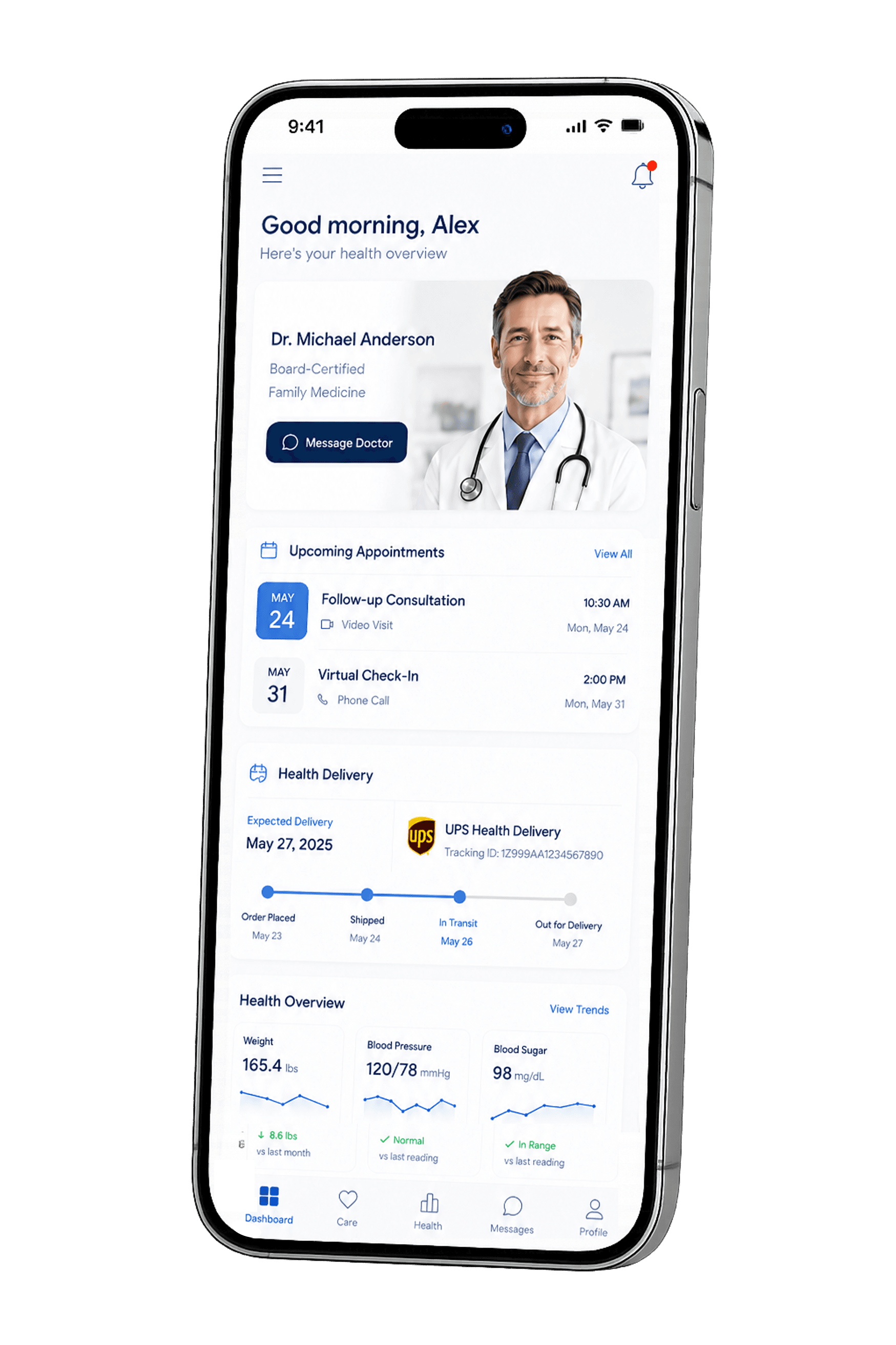
The PepMed mobile app.
Access consultations, health insights and more - all from your phone.


Stay tuned for launch updates.
PepTalk Updates
New articles, platform news and launch announcements


Virtual Care
Connect with licensed providers from wherever you are.

Treatment Access
Treatment options prescribed by licensed healthcare providers.

See Your Progress
Appointments, delivery tracking and health trends in one place.
© 2026 PepMed. All rights reserved
Access. Trust. Convenience.
A new era of Physician guided care.
_________
PepMed connects you with licensed physicians and personalized care - anytime, anywhere.
COMING SOON
The PepMed mobile app.
Access consultations, health insights and more - all from your phone.
PepTalk Updates
New articles, platform news and launch announcements
Virtual Care
Connect with licensed providers from wherever you are.
Treatment Access
Treatment options prescribed by licensed healthcare providers.
See Your Progress
Appointments, delivery tracking and health trends in one place.
© 2026 PepMed. All rights reserved
Access. Trust. Convenience.
A new era of Physician guided care.
_________
PepMed connects you with licensed physicians and personalized care - anytime, anywhere.
COMING SOON
The PepMed mobile app.
Access consultations, health insights and more - all from your phone.
PepTalk Updates
New articles, platform news and launch announcements
Virtual Care
Connect with licensed providers from wherever you are.
Treatment Access
Treatment options prescribed by licensed healthcare providers.
See Your Progress
Appointments, delivery tracking and health trends in one place.
© 2026 PepMed. All rights reserved