
Never Miss an Update
Subscribe to PepTalk and get the latest FDA updates, research highlights, and industry news delivered straight to your inbox.
Never Miss an Update
Subscribe to PepTalk and get the latest FDA updates, research highlights, and industry news delivered straight to your inbox.
Never Miss an Update
REGULATORY
•
Compounded GLP-1s in 2026: What the FDA Changes Mean for Patients
Compounded GLP-1s in 2026: What the FDA Changes Mean for Patients
The FDA is increasing oversight of compounded GLP-1 medications. Here’s what the latest changes mean for patients.
The FDA is increasing oversight of compounded GLP-1 medications. Here’s what the latest changes mean for patients.

By PepMed Editorial Team
By PepMed Editorial Team
PepMed Updates
PepMed Updates


Important Takeaway
Compounded GLP-1 medications have not been banned, but they are not FDA approved and federal rules limit when copies of commercially available drugs can be compounded.
Compounded GLP-1 medications have not been banned, but they are not FDA approved and federal rules limit when copies of commercially available drugs can be compounded.
Compounded GLP-1 medications have not been banned, but they are not FDA approved and federal rules limit when copies of commercially available drugs can be compounded.
If you've been following compounded GLP-1 medications, you may have seen headlines suggesting that they're being banned or disappearing.
The reality is more nuanced.
In 2026, the FDA has significantly increased its scrutiny of compounded semaglutide, compounded tirzepatide and the companies marketing these medications.
For patients, the biggest changes involve when medications may be compounded, how they're marketed and how to distinguish compounded drugs from FDA-approved products.
What Changed With Compounded GLP-1s?
Compounding played a particularly visible role while FDA-approved GLP-1 medications were in shortage.
As supply stabilized, however, the rules changed.
Federal law generally restricts pharmacies from regularly compounding products that are essentially copies of commercially available medications.
In April 2026, FDA reiterated that a compounded drug containing the same active pharmaceutical ingredient, in a similar or easily substitutable strength and using the same route of administration, may be considered essentially a copy.
There can be exceptions when a prescriber determines and documents that a change to the compounded medication creates a significant difference for an identified individual patient.
In other words:
Compounding hasn't disappeared—but it isn't intended to function as a mass-market substitute for an available FDA-approved medication.
Are Compounded GLP-1s FDA Approved?
No.
This is one of the most important things for patients to understand.
Compounded medications are not FDA-approved medications. The FDA does not review compounded drugs for safety, effectiveness and quality before they're marketed in the same way it reviews an FDA-approved drug.
That doesn't mean drug compounding itself is illegitimate.
Compounded medications can serve an important medical purpose when an individual patient's needs cannot be met by an FDA-approved medication.
The distinction is between appropriate patient-specific compounding and treating compounded medications as interchangeable versions of commercially available FDA-approved drugs.
Why Is the FDA Taking Action?
Marketing has become a major focus.
In February 2026, FDA announced plans to restrict non-FDA-approved compounded GLP-1 drugs being mass-marketed as alternatives to approved medications.
Then, in March, FDA announced warning letters to 30 telehealth companies over false or misleading claims involving compounded GLP-1 products.
Among the practices attracting FDA scrutiny are claims suggesting that a compounded medication:
Is the same as an FDA-approved drug
Is a generic version of an FDA-approved drug
Has been clinically proven like an approved product
Has FDA approval when it does not
FDA has also objected to companies describing pharmacies or outsourcing facilities as “FDA licensed” or “FDA approved.”
For patients, that's an important protection against marketing that can blur the distinction between different types of medications.
Can Semaglutide and Tirzepatide Still Be Compounded?
The answer isn't a simple yes or no.
Federal compounding rules depend on factors including the type of compounding facility, drug availability, the ingredients being used and whether an individual patient has a documented medical need for a compounded formulation.
FDA guidance says a compounded drug may be appropriate when a patient's medical needs cannot be met by an FDA-approved drug, or when the approved drug isn't commercially available.
FDA has also proposed excluding semaglutide, tirzepatide and liraglutide from the 503B Bulks List, after concluding that it had not identified a clinical need for outsourcing facilities to compound those drugs from bulk substances. As of that April announcement, this was a proposal, not a final determination.
So headlines claiming simply that "compounded GLP-1s are banned" miss important regulatory details.
What Should Patients Look For?
For patients considering a compounded GLP-1 medication, transparency matters.
FDA recommends obtaining a prescription from a licensed healthcare professional and filling it through a state-licensed pharmacy.
Patients should understand:
What medication am I receiving?
Why is a compounded formulation appropriate for me?
Which pharmacy is actually compounding it?
How should it be stored and administered?
Who do I contact if I experience a problem?
FDA has also warned about fraudulent GLP-1 products, dosing errors and compounded injectable medications arriving without adequate refrigeration.
Those aren't simply regulatory technicalities—they directly affect patient safety.
What Does This Mean for the Future of GLP-1 Treatment?
The GLP-1 market is entering a different phase.
During shortages, compounding expanded rapidly as demand dramatically exceeded the available supply of FDA-approved medications.
Now, regulators are drawing clearer boundaries around patient-specific compounding, mass production and how compounded medications can be advertised.
For patients, one principle remains particularly important:
FDA-approved and compounded medications are not interchangeable regulatory categories.
Compounding can have an appropriate role in patient care, but patients deserve to know exactly what they're receiving and why.
As GLP-1 treatment continues to evolve, understanding that distinction will become increasingly important.
If you've been following compounded GLP-1 medications, you may have seen headlines suggesting that they're being banned or disappearing.
The reality is more nuanced.
In 2026, the FDA has significantly increased its scrutiny of compounded semaglutide, compounded tirzepatide and the companies marketing these medications.
For patients, the biggest changes involve when medications may be compounded, how they're marketed and how to distinguish compounded drugs from FDA-approved products.
What Changed With Compounded GLP-1s?
Compounding played a particularly visible role while FDA-approved GLP-1 medications were in shortage.
As supply stabilized, however, the rules changed.
Federal law generally restricts pharmacies from regularly compounding products that are essentially copies of commercially available medications.
In April 2026, FDA reiterated that a compounded drug containing the same active pharmaceutical ingredient, in a similar or easily substitutable strength and using the same route of administration, may be considered essentially a copy.
There can be exceptions when a prescriber determines and documents that a change to the compounded medication creates a significant difference for an identified individual patient.
In other words:
Compounding hasn't disappeared—but it isn't intended to function as a mass-market substitute for an available FDA-approved medication.
Are Compounded GLP-1s FDA Approved?
No.
This is one of the most important things for patients to understand.
Compounded medications are not FDA-approved medications. The FDA does not review compounded drugs for safety, effectiveness and quality before they're marketed in the same way it reviews an FDA-approved drug.
That doesn't mean drug compounding itself is illegitimate.
Compounded medications can serve an important medical purpose when an individual patient's needs cannot be met by an FDA-approved medication.
The distinction is between appropriate patient-specific compounding and treating compounded medications as interchangeable versions of commercially available FDA-approved drugs.
Why Is the FDA Taking Action?
Marketing has become a major focus.
In February 2026, FDA announced plans to restrict non-FDA-approved compounded GLP-1 drugs being mass-marketed as alternatives to approved medications.
Then, in March, FDA announced warning letters to 30 telehealth companies over false or misleading claims involving compounded GLP-1 products.
Among the practices attracting FDA scrutiny are claims suggesting that a compounded medication:
Is the same as an FDA-approved drug
Is a generic version of an FDA-approved drug
Has been clinically proven like an approved product
Has FDA approval when it does not
FDA has also objected to companies describing pharmacies or outsourcing facilities as “FDA licensed” or “FDA approved.”
For patients, that's an important protection against marketing that can blur the distinction between different types of medications.
Can Semaglutide and Tirzepatide Still Be Compounded?
The answer isn't a simple yes or no.
Federal compounding rules depend on factors including the type of compounding facility, drug availability, the ingredients being used and whether an individual patient has a documented medical need for a compounded formulation.
FDA guidance says a compounded drug may be appropriate when a patient's medical needs cannot be met by an FDA-approved drug, or when the approved drug isn't commercially available.
FDA has also proposed excluding semaglutide, tirzepatide and liraglutide from the 503B Bulks List, after concluding that it had not identified a clinical need for outsourcing facilities to compound those drugs from bulk substances. As of that April announcement, this was a proposal, not a final determination.
So headlines claiming simply that "compounded GLP-1s are banned" miss important regulatory details.
What Should Patients Look For?
For patients considering a compounded GLP-1 medication, transparency matters.
FDA recommends obtaining a prescription from a licensed healthcare professional and filling it through a state-licensed pharmacy.
Patients should understand:
What medication am I receiving?
Why is a compounded formulation appropriate for me?
Which pharmacy is actually compounding it?
How should it be stored and administered?
Who do I contact if I experience a problem?
FDA has also warned about fraudulent GLP-1 products, dosing errors and compounded injectable medications arriving without adequate refrigeration.
Those aren't simply regulatory technicalities—they directly affect patient safety.
What Does This Mean for the Future of GLP-1 Treatment?
The GLP-1 market is entering a different phase.
During shortages, compounding expanded rapidly as demand dramatically exceeded the available supply of FDA-approved medications.
Now, regulators are drawing clearer boundaries around patient-specific compounding, mass production and how compounded medications can be advertised.
For patients, one principle remains particularly important:
FDA-approved and compounded medications are not interchangeable regulatory categories.
Compounding can have an appropriate role in patient care, but patients deserve to know exactly what they're receiving and why.
As GLP-1 treatment continues to evolve, understanding that distinction will become increasingly important.
Medical Disclaimer: This content is provided for educational and informational purposes only and does not constitute medical advice, diagnosis, or treatment. Reading this content does not establish a provider-patient relationship with PepMed. Always consult a qualified healthcare professional regarding your individual health and treatment decisions. [Read our full Medical Disclaimer]
Medical Disclaimer: This content is provided for educational and informational purposes only and does not constitute medical advice, diagnosis, or treatment. Reading this content does not establish a provider-patient relationship with PepMed. Always consult a qualified healthcare professional regarding your individual health and treatment decisions. [Read our full Medical Disclaimer]

Access. Trust. Convenience.
A new era of Physician guided care.
_________
PepMed connects you with licensed physicians and personalized care - anytime, anywhere.




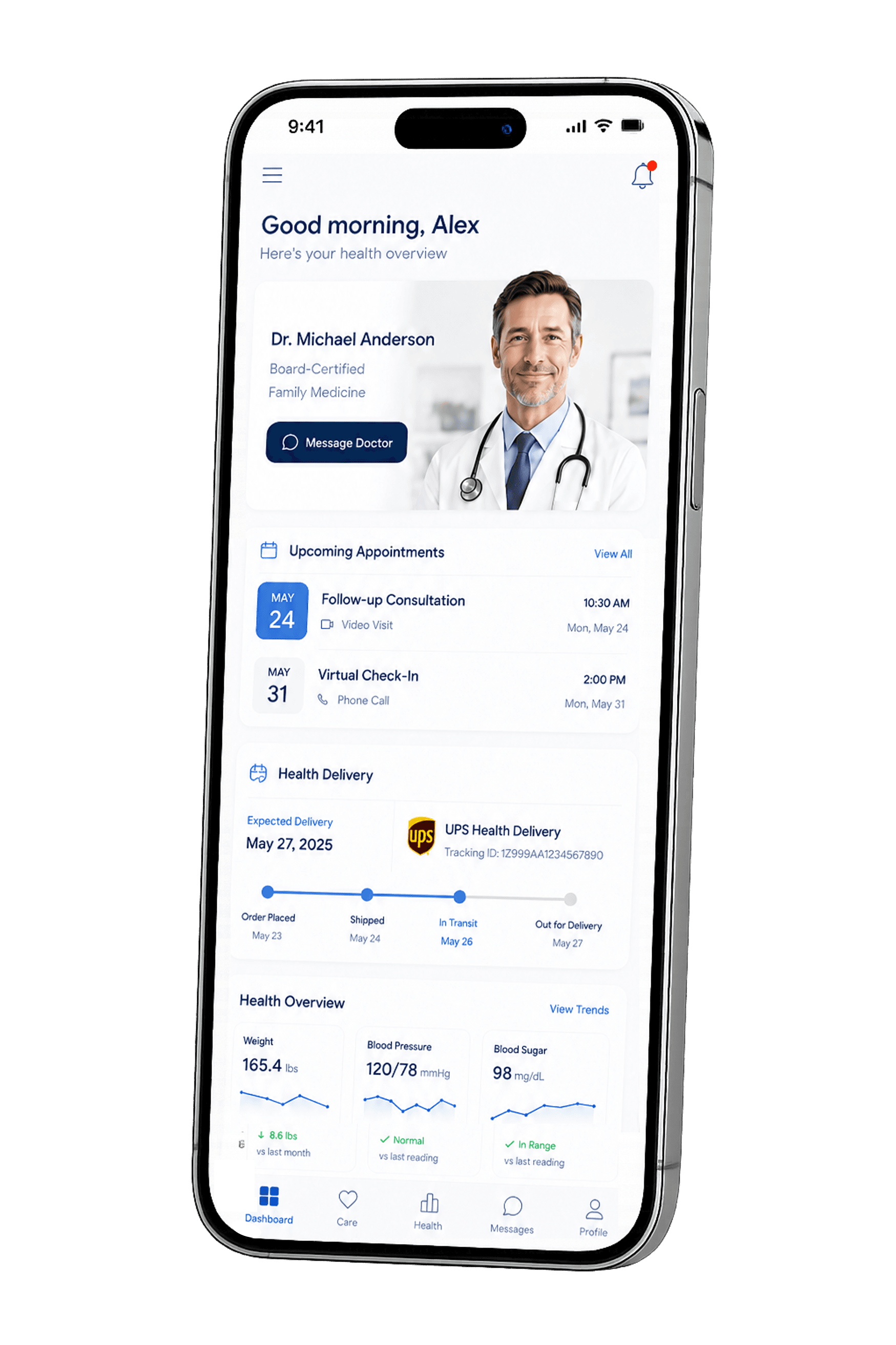
COMING SOON
The PepMed mobile app.
Access consultations, health insights and more - all from your phone.


Stay tuned for launch updates.
PepTalk Updates
New articles, platform news and launch announcements


Virtual Care
Connect with licensed providers from wherever you are.

Treatment Access
Treatment options prescribed by licensed healthcare providers.

See Your Progress
Appointments, delivery tracking and health trends in one place.
© 2026 PepMed. All rights reserved
Access. Trust. Convenience.
A new era of Physician guided care.
_________
PepMed connects you with licensed physicians and personalized care - anytime, anywhere.
COMING SOON
The PepMed mobile app.
Access consultations, health insights and more - all from your phone.
PepTalk Updates
New articles, platform news and launch announcements
Virtual Care
Connect with licensed providers from wherever you are.
Treatment Access
Treatment options prescribed by licensed healthcare providers.
See Your Progress
Appointments, delivery tracking and health trends in one place.
© 2026 PepMed. All rights reserved
Access. Trust. Convenience.
A new era of Physician guided care.
_________
PepMed connects you with licensed physicians and personalized care - anytime, anywhere.
COMING SOON
The PepMed mobile app.
Access consultations, health insights and more - all from your phone.
PepTalk Updates
New articles, platform news and launch announcements
Virtual Care
Connect with licensed providers from wherever you are.
Treatment Access
Treatment options prescribed by licensed healthcare providers.
See Your Progress
Appointments, delivery tracking and health trends in one place.
© 2026 PepMed. All rights reserved