
Never Miss an Update
Subscribe to PepTalk and get the latest FDA updates, research highlights, and industry news delivered straight to your inbox.
Never Miss an Update
Subscribe to PepTalk and get the latest FDA updates, research highlights, and industry news delivered straight to your inbox.
Never Miss an Update
RESEARCH
•
What Is BPC-157? Benefits, Research & FDA Status
What Is BPC-157? Benefits, Research & FDA Status
BPC-157 is a peptide being studied for tissue repair and recovery. Here's what the research shows—and what patients should know.
BPC-157 is a peptide being studied for tissue repair and recovery. Here's what the research shows—and what patients should know.

By PepMed Editorial Team
By PepMed Editorial Team
PepMed Updates
PepMed Updates


Important Takeaway
BPC-157 has shown promising effects in laboratory and animal research, but human evidence remains very limited and it is not an FDA-approved drug.
BPC-157 has shown promising effects in laboratory and animal research, but human evidence remains very limited and it is not an FDA-approved drug.
BPC-157 has shown promising effects in laboratory and animal research, but human evidence remains very limited and it is not an FDA-approved drug.
If you've been researching peptides for recovery, there's a good chance you've encountered BPC-157.
It has become increasingly popular online, particularly in conversations about tendon injuries, muscle recovery, joint health and tissue repair.
But there's an important distinction between what's being discussed online and what has actually been demonstrated in people.
So, what is BPC-157—and what does the research really show?
What Is BPC-157?
BPC-157 is a synthetic peptide made from 15 amino acids. It was developed from a peptide sequence associated with proteins found in gastric juice and has been investigated primarily in preclinical research.
Its name comes from Body Protection Compound-157.
Unlike some peptide medications already used in clinical medicine, BPC-157 remains investigational.
It has attracted attention because laboratory and animal studies have suggested effects involving tissue repair, blood-vessel formation, inflammation and cellular signaling.
What Is BPC-157 Used For?
Online, BPC-157 is commonly associated with:
Tendon and ligament recovery
Muscle injuries
Joint health
Wound healing
Inflammation
Gastrointestinal health
However, being promoted for something isn't the same as being proven to treat it.
In fact, when the FDA evaluated BPC-157-related substances in July 2026 for potential inclusion on the 503A Bulks List, the nominated use it formally evaluated was ulcerative colitis.
Does BPC-157 Actually Work?
This is where the evidence becomes particularly important.
BPC-157 has produced interesting findings in animal and laboratory studies, particularly involving muscles, tendons, ligaments and bone.
A 2025 systematic review identified 36 relevant studies: 35 were preclinical and only one was a qualifying clinical study. The authors found encouraging preclinical results but emphasized the lack of high-quality human evidence.
A newer 2026 review found that published human evidence remained extremely small—fewer than 30 participants across three uncontrolled studies—with no completed Phase II clinical trial.
So the most accurate answer today is:
BPC-157 is scientifically interesting, but we don't yet have enough high-quality human research to establish that it safely and effectively treats injuries or other medical conditions.
Is BPC-157 FDA Approved?
No. BPC-157 is not an FDA-approved drug.
This became especially relevant in July 2026 when the FDA's Pharmacy Compounding Advisory Committee reviewed BPC-157 and several other peptide-related bulk drug substances as part of the process for considering substances for the 503A Bulks List.
That review should not be interpreted as FDA approval of BPC-157.
FDA materials presented at the meeting noted that BPC-157 is not a component of an approved drug product in any country.
Is BPC-157 Safe?
We don't yet have enough human evidence to establish a comprehensive safety profile.
The FDA has identified potential concerns involving immunogenicity, peptide-related impurities and characterization of the active pharmaceutical ingredient. The agency also states that it has no or only limited safety information for proposed routes of administration.
A very small human pilot study involving only two adults reported no adverse effects following intravenous BPC-157, but a two-person study cannot establish overall safety.
This is exactly why larger, controlled clinical trials matter.
Why Is BPC-157 So Popular?
BPC-157 sits at the intersection of several rapidly growing areas:
Peptides + recovery + performance + longevity
Animal research has generated intriguing findings, and those findings have spread rapidly through fitness communities, social media and wellness clinics.
But enthusiasm has moved considerably faster than clinical research.
That's something patients should keep in mind whenever they encounter claims about emerging peptides.
The Takeaway
BPC-157 is an investigational 15-amino-acid peptide that has attracted attention for its potential role in tissue repair and recovery.
Preclinical research is interesting, particularly around musculoskeletal healing.
But human research remains extremely limited.
BPC-157 is not currently an FDA-approved drug, and we still need high-quality clinical trials to determine its effectiveness, appropriate dosing and long-term safety in humans.
For patients interested in emerging peptide medicine, BPC-157 is a perfect example of why it's important to separate promising science from proven treatment.
If you've been researching peptides for recovery, there's a good chance you've encountered BPC-157.
It has become increasingly popular online, particularly in conversations about tendon injuries, muscle recovery, joint health and tissue repair.
But there's an important distinction between what's being discussed online and what has actually been demonstrated in people.
So, what is BPC-157—and what does the research really show?
What Is BPC-157?
BPC-157 is a synthetic peptide made from 15 amino acids. It was developed from a peptide sequence associated with proteins found in gastric juice and has been investigated primarily in preclinical research.
Its name comes from Body Protection Compound-157.
Unlike some peptide medications already used in clinical medicine, BPC-157 remains investigational.
It has attracted attention because laboratory and animal studies have suggested effects involving tissue repair, blood-vessel formation, inflammation and cellular signaling.
What Is BPC-157 Used For?
Online, BPC-157 is commonly associated with:
Tendon and ligament recovery
Muscle injuries
Joint health
Wound healing
Inflammation
Gastrointestinal health
However, being promoted for something isn't the same as being proven to treat it.
In fact, when the FDA evaluated BPC-157-related substances in July 2026 for potential inclusion on the 503A Bulks List, the nominated use it formally evaluated was ulcerative colitis.
Does BPC-157 Actually Work?
This is where the evidence becomes particularly important.
BPC-157 has produced interesting findings in animal and laboratory studies, particularly involving muscles, tendons, ligaments and bone.
A 2025 systematic review identified 36 relevant studies: 35 were preclinical and only one was a qualifying clinical study. The authors found encouraging preclinical results but emphasized the lack of high-quality human evidence.
A newer 2026 review found that published human evidence remained extremely small—fewer than 30 participants across three uncontrolled studies—with no completed Phase II clinical trial.
So the most accurate answer today is:
BPC-157 is scientifically interesting, but we don't yet have enough high-quality human research to establish that it safely and effectively treats injuries or other medical conditions.
Is BPC-157 FDA Approved?
No. BPC-157 is not an FDA-approved drug.
This became especially relevant in July 2026 when the FDA's Pharmacy Compounding Advisory Committee reviewed BPC-157 and several other peptide-related bulk drug substances as part of the process for considering substances for the 503A Bulks List.
That review should not be interpreted as FDA approval of BPC-157.
FDA materials presented at the meeting noted that BPC-157 is not a component of an approved drug product in any country.
Is BPC-157 Safe?
We don't yet have enough human evidence to establish a comprehensive safety profile.
The FDA has identified potential concerns involving immunogenicity, peptide-related impurities and characterization of the active pharmaceutical ingredient. The agency also states that it has no or only limited safety information for proposed routes of administration.
A very small human pilot study involving only two adults reported no adverse effects following intravenous BPC-157, but a two-person study cannot establish overall safety.
This is exactly why larger, controlled clinical trials matter.
Why Is BPC-157 So Popular?
BPC-157 sits at the intersection of several rapidly growing areas:
Peptides + recovery + performance + longevity
Animal research has generated intriguing findings, and those findings have spread rapidly through fitness communities, social media and wellness clinics.
But enthusiasm has moved considerably faster than clinical research.
That's something patients should keep in mind whenever they encounter claims about emerging peptides.
The Takeaway
BPC-157 is an investigational 15-amino-acid peptide that has attracted attention for its potential role in tissue repair and recovery.
Preclinical research is interesting, particularly around musculoskeletal healing.
But human research remains extremely limited.
BPC-157 is not currently an FDA-approved drug, and we still need high-quality clinical trials to determine its effectiveness, appropriate dosing and long-term safety in humans.
For patients interested in emerging peptide medicine, BPC-157 is a perfect example of why it's important to separate promising science from proven treatment.
Medical Disclaimer: This content is provided for educational and informational purposes only and does not constitute medical advice, diagnosis, or treatment. Reading this content does not establish a provider-patient relationship with PepMed. Always consult a qualified healthcare professional regarding your individual health and treatment decisions. [Read our full Medical Disclaimer]
Medical Disclaimer: This content is provided for educational and informational purposes only and does not constitute medical advice, diagnosis, or treatment. Reading this content does not establish a provider-patient relationship with PepMed. Always consult a qualified healthcare professional regarding your individual health and treatment decisions. [Read our full Medical Disclaimer]

Access. Trust. Convenience.
A new era of Physician guided care.
_________
PepMed connects you with licensed physicians and personalized care - anytime, anywhere.




COMING SOON
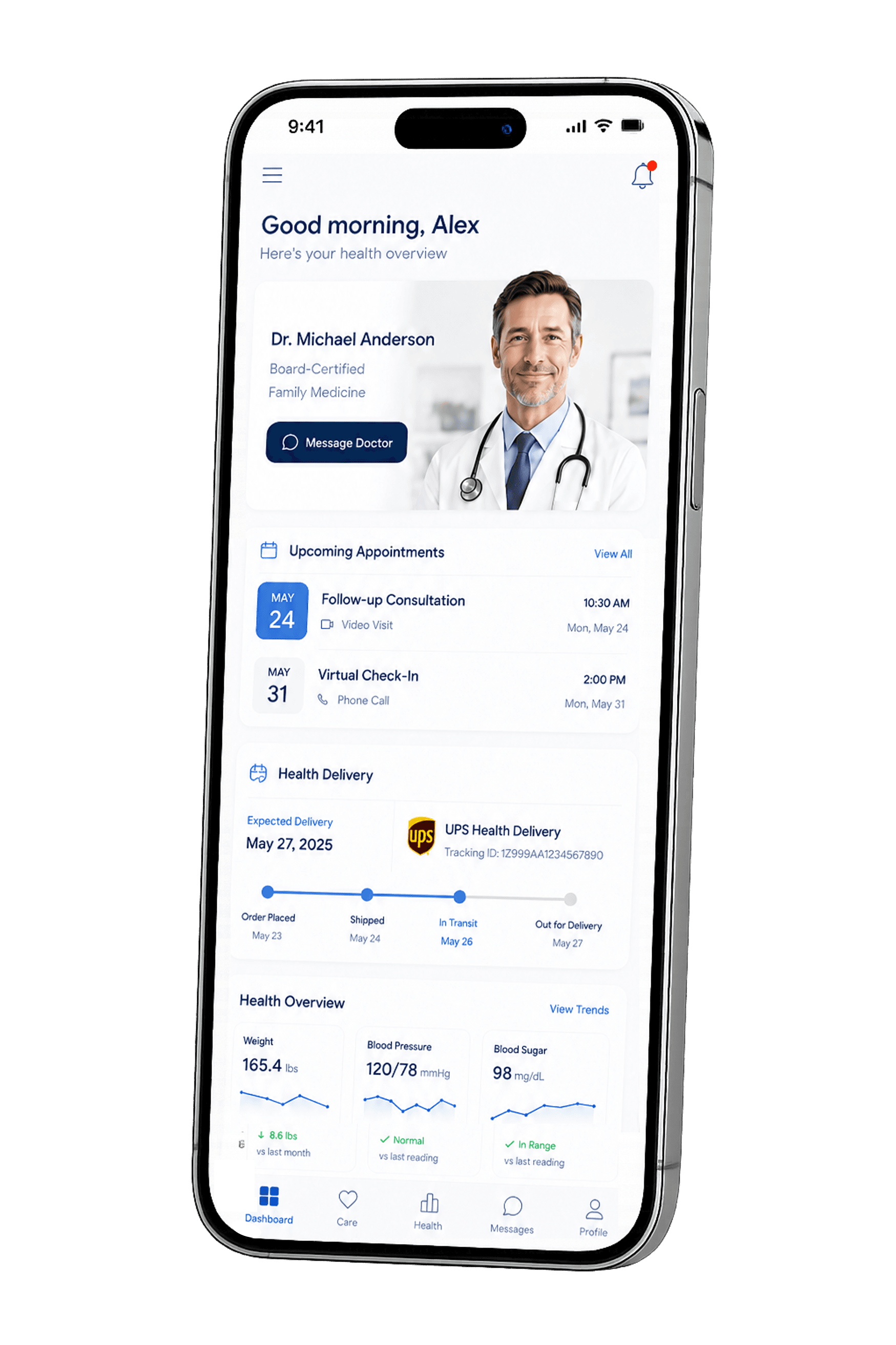
The PepMed mobile app.
Access consultations, health insights and more - all from your phone.


Stay tuned for launch updates.
PepTalk Updates
New articles, platform news and launch announcements


Virtual Care
Connect with licensed providers from wherever you are.

Treatment Access
Treatment options prescribed by licensed healthcare providers.

See Your Progress
Appointments, delivery tracking and health trends in one place.
© 2026 PepMed. All rights reserved
Access. Trust. Convenience.
A new era of Physician guided care.
_________
PepMed connects you with licensed physicians and personalized care - anytime, anywhere.
COMING SOON
The PepMed mobile app.
Access consultations, health insights and more - all from your phone.
PepTalk Updates
New articles, platform news and launch announcements
Virtual Care
Connect with licensed providers from wherever you are.
Treatment Access
Treatment options prescribed by licensed healthcare providers.
See Your Progress
Appointments, delivery tracking and health trends in one place.
© 2026 PepMed. All rights reserved
Access. Trust. Convenience.
A new era of Physician guided care.
_________
PepMed connects you with licensed physicians and personalized care - anytime, anywhere.
COMING SOON
The PepMed mobile app.
Access consultations, health insights and more - all from your phone.
PepTalk Updates
New articles, platform news and launch announcements
Virtual Care
Connect with licensed providers from wherever you are.
Treatment Access
Treatment options prescribed by licensed healthcare providers.
See Your Progress
Appointments, delivery tracking and health trends in one place.
© 2026 PepMed. All rights reserved