
Never Miss an Update
Subscribe to PepTalk and get the latest FDA updates, research highlights, and industry news delivered straight to your inbox.
Never Miss an Update
Subscribe to PepTalk and get the latest FDA updates, research highlights, and industry news delivered straight to your inbox.
Never Miss an Update
RESEARCH
•
Why Am I Tired All the Time? Common Causes of Low Energy
Why Am I Tired All the Time? Common Causes of Low Energy
Feeling tired all the time can have many causes—from poor sleep and stress to anemia, thyroid problems and metabolic health. Here are some common reasons your energy may be low.
Feeling tired all the time can have many causes—from poor sleep and stress to anemia, thyroid problems and metabolic health. Here are some common reasons your energy may be low.

By PepMed Editorial Team
By PepMed Editorial Team
PepMed Updates
PepMed Updates


Important Takeaway
Persistent fatigue is a symptom, not a diagnosis. Sleep, stress, nutrition, medications, metabolic health and underlying medical conditions can all affect energy, so ongoing or unexplained fatigue may warrant a medical evaluation.
Persistent fatigue is a symptom, not a diagnosis. Sleep, stress, nutrition, medications, metabolic health and underlying medical conditions can all affect energy, so ongoing or unexplained fatigue may warrant a medical evaluation.
Persistent fatigue is a symptom, not a diagnosis. Sleep, stress, nutrition, medications, metabolic health and underlying medical conditions can all affect energy, so ongoing or unexplained fatigue may warrant a medical evaluation.
Feeling tired after a late night or a demanding week is normal. But what if you feel tired all the time—even after sleeping?
Fatigue is not a disease by itself. It is a symptom that can have many different causes, ranging from sleep habits and stress to nutritional deficiencies, metabolic problems and underlying health conditions. MedlinePlus
The important question isn't simply “How can I get more energy?” It is:
“Why is my energy low in the first place?”
Here are seven possibilities worth understanding.
1. Are You Actually Getting Enough Sleep?
It sounds obvious, but insufficient sleep remains a major reason people feel tired.
Adults generally need at least seven hours of sleep per night. In 2024, however, 30.5% of U.S. adults reported averaging less than seven hours of sleep in a 24-hour period. CDC
And duration isn't everything.
You can spend eight hours in bed without getting eight hours of restorative sleep. Trouble falling asleep, waking repeatedly or maintaining an inconsistent sleep schedule can all affect how rested you feel.
2. Could Your Sleep Quality Be the Problem?
If you're sleeping for what seems like enough time but still waking exhausted, sleep quality deserves attention.
One example is obstructive sleep apnea, where the upper airway repeatedly becomes blocked during sleep. Signs can include loud snoring, gasping during sleep, frequent nighttime awakenings and excessive daytime sleepiness or fatigue. NHLBI, NIH
Someone with a sleep disorder may therefore be spending plenty of time in bed without getting consistently restorative sleep.
3. Can Stress Affect Your Energy?
Absolutely.
Emotional stress is one recognized cause of fatigue, and depression can also contribute to persistent low energy. Stress can additionally interfere with sleep, creating a cycle where poor sleep makes the next day harder and ongoing stress makes the following night's sleep more difficult. MedlinePlus
This is why energy isn't purely a physical-health issue.
Workload, recovery, mental wellbeing and sleep can all be part of the picture.
4. Could Low Iron or Vitamin B12 Make You Tired?
Yes—but that doesn't mean everyone who feels tired needs supplements.
Iron-deficiency anemia can cause fatigue, weakness, dizziness and shortness of breath because the body does not have enough healthy red blood cells to adequately carry oxygen. NHLBI, NIH
Vitamin B12 deficiency can also result in anemia and fatigue and, in some cases, neurological symptoms such as tingling or cognitive changes. NHLBI, NIH
The key is determining whether a deficiency actually exists rather than assuming fatigue means you need iron, B12 or another supplement.
5. Can Blood Sugar and Metabolic Health Affect Energy?
Metabolic health can be another piece of the puzzle.
Fatigue is one possible symptom of diabetes, particularly when accompanied by symptoms such as increased thirst, frequent urination or blurred vision. However, many people with type 2 diabetes have few or no noticeable symptoms. NIDDK
This is one reason objective health measurements can sometimes tell us more than symptoms alone.
Depending on your health history and symptoms, a healthcare provider may consider tests related to blood glucose and other metabolic markers when investigating persistent fatigue. MedlinePlus
6. Could Your Thyroid or Hormones Be Involved?
Sometimes.
Thyroid hormones help regulate how the body uses energy. An underactive thyroid, or hypothyroidism, can cause fatigue along with symptoms such as weight gain, cold intolerance, dry skin, constipation or muscle and joint discomfort. NIDDK
But fatigue by itself doesn't prove that you have a thyroid—or any other hormonal—problem.
That's an important distinction. Symptoms can overlap across many different conditions, which is why testing and the broader clinical picture matter more than diagnosing yourself from one symptom.
7. Could It Be Something Else?
Yes. That's what makes persistent fatigue complicated.
Medications, infections, chronic pain, depression, kidney or liver problems and other medical conditions can contribute to fatigue. A healthcare provider investigating unexplained fatigue may review medications, symptoms, sleep and lifestyle and, when appropriate, use blood or other tests to look for possible causes. MedlinePlus
The goal shouldn't be to find the quickest “energy booster.”
The goal is to understand what's driving the fatigue.
What Should You Do If You're Tired All the Time?
Start with the basics.
Look at how consistently you're sleeping, your physical activity, nutrition, hydration, alcohol intake and stress. Keeping a simple fatigue diary can also help reveal patterns in when your energy rises and falls. MedlinePlus
But if fatigue continues for several weeks, isn't improving with adequate sleep and nutrition, or is interfering with normal life, it's worth discussing with a healthcare provider. MedlinePlus
Depending on your symptoms and history, that conversation may lead to evaluation of sleep, medications or testing for issues such as anemia, blood-glucose abnormalities or thyroid dysfunction. MedlinePlus
The Bottom Line
Feeling tired all the time doesn't automatically mean you need more caffeine, supplements, hormones—or a peptide.
Low energy is a symptom, not a diagnosis.
Understanding your sleep, lifestyle, metabolic health and relevant health markers can help identify what may actually be contributing to it.
Medical Disclaimer: This content is provided for educational and informational purposes only and does not constitute medical advice, diagnosis, or treatment. Reading this content does not establish a provider-patient relationship with PepMed. Always consult a qualified healthcare professional regarding your individual health and treatment decisions. [Read our full Medical Disclaimer]
Medical Disclaimer: This content is provided for educational and informational purposes only and does not constitute medical advice, diagnosis, or treatment. Reading this content does not establish a provider-patient relationship with PepMed. Always consult a qualified healthcare professional regarding your individual health and treatment decisions. [Read our full Medical Disclaimer]

Access. Trust. Convenience.
A new era of Physician guided care.
_________
PepMed connects you with licensed physicians and personalized care - anytime, anywhere.




COMING SOON
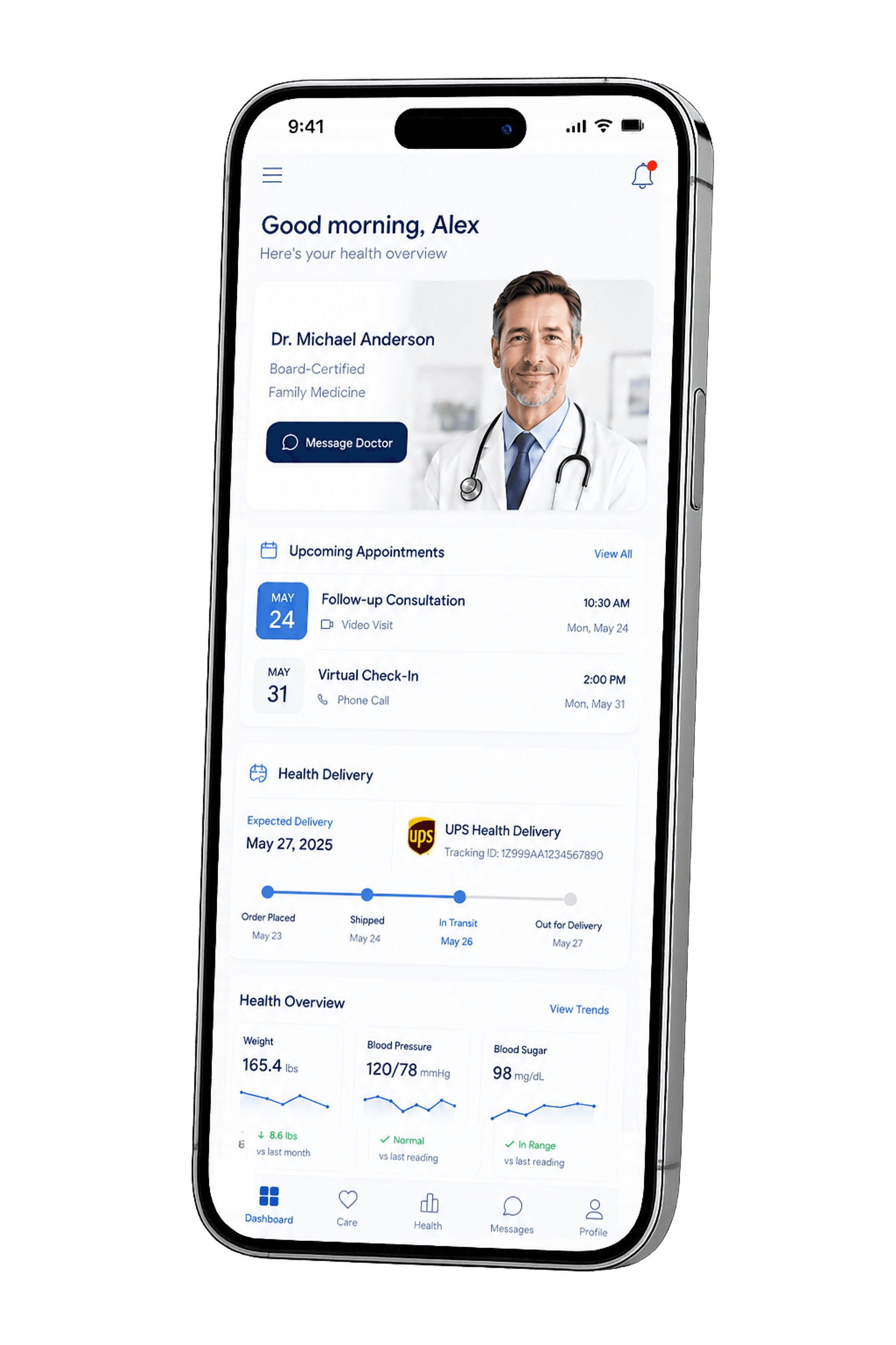
The PepMed mobile app.
Access consultations, health insights and more - all from your phone.


Stay tuned for launch updates.
PepTalk Updates
New articles, platform news and launch announcements


Virtual Care
Connect with licensed providers from wherever you are.

Treatment Access
Treatment options prescribed by licensed healthcare providers.

See Your Progress
Appointments, delivery tracking and health trends in one place.
© 2026 PepMed. All rights reserved
Access. Trust. Convenience.
A new era of Physician guided care.
_________
PepMed connects you with licensed physicians and personalized care - anytime, anywhere.
COMING SOON
The PepMed mobile app.
Access consultations, health insights and more - all from your phone.
PepTalk Updates
New articles, platform news and launch announcements
Virtual Care
Connect with licensed providers from wherever you are.
Treatment Access
Treatment options prescribed by licensed healthcare providers.
See Your Progress
Appointments, delivery tracking and health trends in one place.
© 2026 PepMed. All rights reserved