
Never Miss an Update
Subscribe to PepTalk and get the latest FDA updates, research highlights, and industry news delivered straight to your inbox.
Never Miss an Update
Subscribe to PepTalk and get the latest FDA updates, research highlights, and industry news delivered straight to your inbox.
Never Miss an Update
REGULATORY
•
Retatrutide FDA Approval: How Close Is Lilly's Triple Agonist?
Retatrutide FDA Approval: How Close Is Lilly's Triple Agonist?
Lilly is preparing retatrutide for FDA submission after positive Phase 3 trials. Here’s what we know about its results, timeline and potential approval.
Lilly is preparing retatrutide for FDA submission after positive Phase 3 trials. Here’s what we know about its results, timeline and potential approval.

By PepMed Editorial Team
By PepMed Editorial Team
PepMed Updates
PepMed Updates


Important Takeaway
Retatrutide is not FDA approved, but Lilly now has positive results from five Phase 3 studies and plans to submit the drug to the FDA in Q1 2027.
Retatrutide is not FDA approved, but Lilly now has positive results from five Phase 3 studies and plans to submit the drug to the FDA in Q1 2027.
Retatrutide is not FDA approved, but Lilly now has positive results from five Phase 3 studies and plans to submit the drug to the FDA in Q1 2027.
Retatrutide has quickly become one of the most closely watched medications in obesity research—and it's now moving closer to FDA review.
Eli Lilly has reported positive results from five Phase 3 clinical trials involving retatrutide. The company says it now has the clinical data package needed to support global regulatory submissions for obesity, knee osteoarthritis pain and obstructive sleep apnea.
Lilly currently plans to submit retatrutide to the U.S. FDA in the first quarter of 2027.
But there's an important distinction: retatrutide is not FDA approved today, and an FDA submission does not guarantee approval.
What Is Retatrutide?
Retatrutide is an investigational medication being developed by Eli Lilly. It's a once-weekly injectable triple hormone receptor agonist targeting three pathways:
GIP + GLP-1 + glucagon
That third glucagon pathway distinguishes retatrutide from medications such as tirzepatide, which targets GIP and GLP-1 receptors.
You may also see retatrutide called a “GLP-3” online, but Lilly notes that this isn't a scientifically accurate term. Triple agonist is the more appropriate description.
What Did the Phase 3 Trials Show?
The results have generated considerable attention.
In the Phase 3 TRIUMPH-1 trial, adults with obesity or overweight without diabetes receiving the 12 mg dose lost an average of 28.3% of their body weight—or 70.3 pounds—at 80 weeks.
Among participants with a starting BMI of 35 or greater who continued into an extension, average weight loss reached 30.3% at 104 weeks.
Retatrutide has also produced positive results in populations with type 2 diabetes and cardiovascular disease.
In TRIUMPH-2, participants with obesity or overweight and type 2 diabetes lost up to an average of 20.8% of their body weight.
In TRIUMPH-3, participants with severe obesity and established cardiovascular disease lost up to an average of 22.6%.
Researchers are also studying retatrutide for several obesity-related conditions, including obstructive sleep apnea and knee osteoarthritis pain.
When Will Retatrutide Be Submitted to the FDA?
This is where the story has recently changed.
Lilly says it now has the clinical data package needed to support global regulatory submissions for retatrutide as a potential treatment for obesity, knee osteoarthritis pain and obstructive sleep apnea.
The company plans to submit its application to the FDA in Q1 2027.
That represents an important step toward potentially bringing retatrutide to patients.
When Could Retatrutide Be FDA Approved?
We don't know yet.
Submitting an application begins the FDA review process—it isn't an approval.
The FDA must review the evidence supporting the medication's safety, effectiveness, manufacturing and proposed labeling before deciding whether to approve it.
Therefore, claims that retatrutide has a confirmed “release date” are premature.
For now, the most accurate timeline is:
Phase 3 results → planned FDA submission in Q1 2027 → FDA review → potential regulatory decision
The timing and outcome of that review will ultimately be determined by the FDA.
Can You Get Retatrutide Now?
Not legally as an approved prescription medication.
Retatrutide remains investigational and has not been approved by the FDA or another regulatory agency.
Lilly says it is legally available only to participants in its clinical trials and specifically warns consumers against products being sold online or through other channels claiming to contain retatrutide.
This is particularly important because interest in retatrutide has grown well ahead of regulatory approval.
Products advertised as “research-grade retatrutide” or otherwise sold directly to consumers should not be confused with the medication being evaluated in Lilly's controlled clinical trials.
What Happens Next?
Retatrutide still has several regulatory steps ahead, but 2026 has significantly changed what we know about the drug.
We now have results from multiple Phase 3 trials, including substantial average weight loss in several patient populations, and Lilly has publicly identified Q1 2027 as its planned FDA submission window.
Additional retatrutide studies are also continuing in areas including type 2 diabetes, cardiovascular and kidney outcomes, chronic low back pain and metabolic dysfunction-associated steatotic liver disease.
For now, the most important takeaway is simple:
Retatrutide is getting closer to FDA review—but it is still an investigational medication, not an FDA-approved treatment.
As the regulatory process progresses, we'll continue following the evidence and FDA developments.
Medical Disclaimer: This content is provided for educational and informational purposes only and does not constitute medical advice, diagnosis, or treatment. Reading this content does not establish a provider-patient relationship with PepMed. Always consult a qualified healthcare professional regarding your individual health and treatment decisions. [Read our full Medical Disclaimer]
Medical Disclaimer: This content is provided for educational and informational purposes only and does not constitute medical advice, diagnosis, or treatment. Reading this content does not establish a provider-patient relationship with PepMed. Always consult a qualified healthcare professional regarding your individual health and treatment decisions. [Read our full Medical Disclaimer]

Access. Trust. Convenience.
A new era of Physician guided care.
_________
PepMed connects you with licensed physicians and personalized care - anytime, anywhere.




COMING SOON
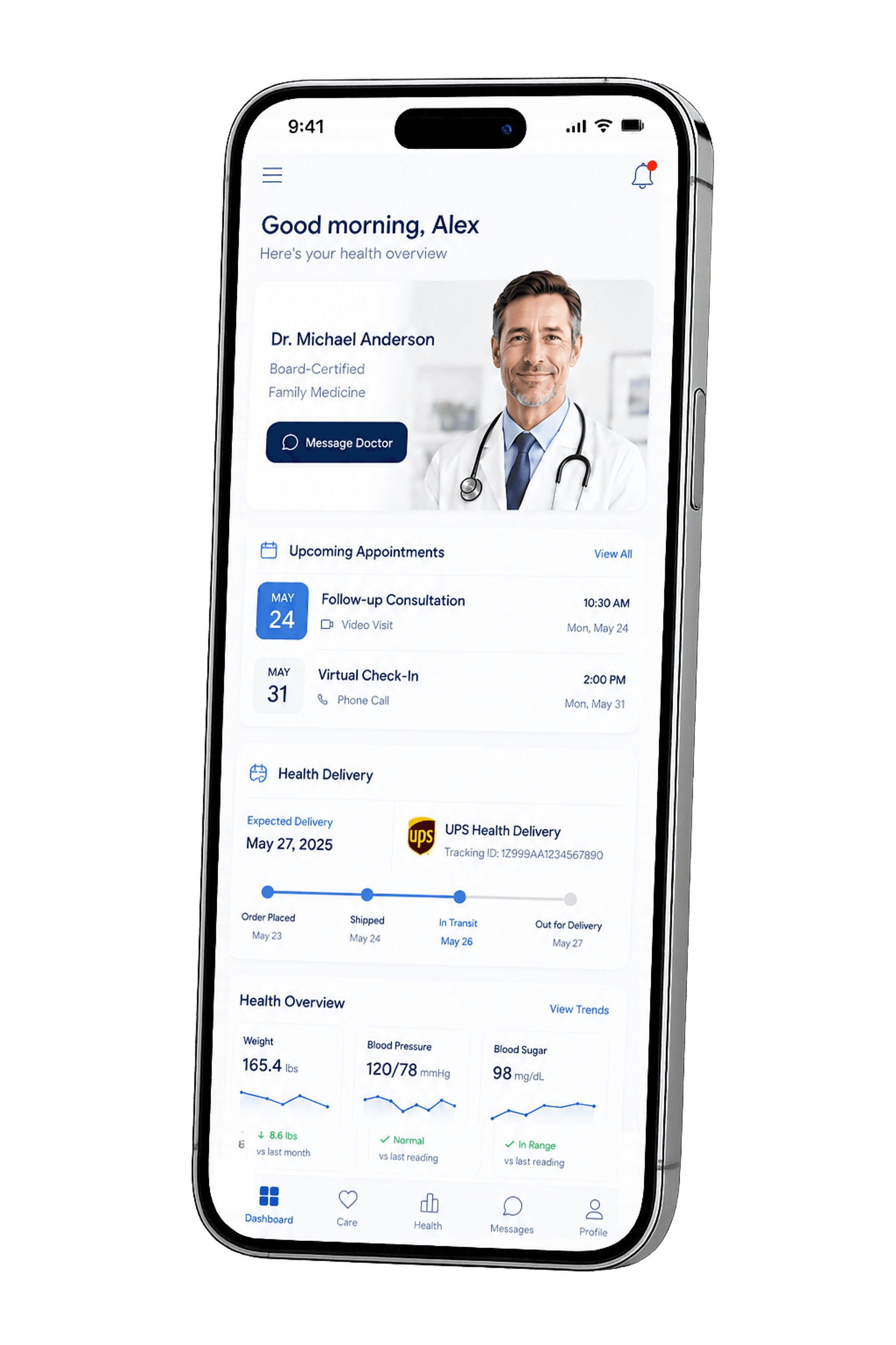
The PepMed mobile app.
Access consultations, health insights and more - all from your phone.


Stay tuned for launch updates.
PepTalk Updates
New articles, platform news and launch announcements


Virtual Care
Connect with licensed providers from wherever you are.

Treatment Access
Treatment options prescribed by licensed healthcare providers.

See Your Progress
Appointments, delivery tracking and health trends in one place.
© 2026 PepMed. All rights reserved
Access. Trust. Convenience.
A new era of Physician guided care.
_________
PepMed connects you with licensed physicians and personalized care - anytime, anywhere.
COMING SOON
The PepMed mobile app.
Access consultations, health insights and more - all from your phone.
PepTalk Updates
New articles, platform news and launch announcements
Virtual Care
Connect with licensed providers from wherever you are.
Treatment Access
Treatment options prescribed by licensed healthcare providers.
See Your Progress
Appointments, delivery tracking and health trends in one place.
© 2026 PepMed. All rights reserved