
Never Miss an Update
Subscribe to PepTalk and get the latest FDA updates, research highlights, and industry news delivered straight to your inbox.
Never Miss an Update
Subscribe to PepTalk and get the latest FDA updates, research highlights, and industry news delivered straight to your inbox.
Never Miss an Update
REGULATORY
•
FDA Reopens the Door to Peptides
FDA Reopens the Door to Peptides
The FDA’s upcoming review of peptides like BPC-157 and TB-500 could mark a major shift toward safer, physician-supervised access in the future.
The FDA’s upcoming review of peptides like BPC-157 and TB-500 could mark a major shift toward safer, physician-supervised access in the future.

By PepMed Editorial Team
By PepMed Editorial Team
PepMed Updates
PepMed Updates


Important Takeaway
This does not mean these peptides re immediately becoming FDA approved. This is a review - not a decision.
This does not mean these peptides re immediately becoming FDA approved. This is a review - not a decision.
This does not mean these peptides re immediately becoming FDA approved. This is a review - not a decision.
The FDA may be preparing for one of the biggest shifts the peptide industry has seen in years.
In July 2026, the FDA’s Pharmacy Compounding Advisory Committee will officially review several highly discussed peptides — including BPC-157, TB-500, Semax, MOTs-C, KPV, Epitalon, and DSIP — to determine whether they should be allowed back into regulated pharmacy compounding.
For many people following the peptide space, this is a major development.
So… What Does This Actually Mean?
This does NOT mean these peptides are suddenly becoming fully FDA-approved drugs available over the counter.
What it does mean is that the FDA is reconsidering whether licensed compounding pharmacies should legally be allowed to prepare these peptides again under physician supervision.
If approved for compounding access, patients would likely:
Need a prescription from a licensed medical provider
Receive peptides through regulated U.S. pharmacies
Have safer and more reliable access
Avoid many of the risks associated with unregulated “research” products online
This could represent a major step toward bringing certain peptides back into legitimate medical channels.
Why This Matters
Over the past several years, many peptides became increasingly difficult to access legally due to FDA concerns surrounding:
manufacturing quality
contamination risks
lack of clinical data
safety oversight
inconsistent sourcing
As restrictions increased, much of the market shifted into gray-market online sales and “research use only” products.
Now, the FDA appears to be reconsidering whether regulated physician-supervised access may actually provide a safer path for patients.
That’s a huge shift.
The Peptides Being Reviewed
BPC-157
One of the most talked-about peptides in the world. The FDA is reviewing BPC-157 for ulcerative colitis and gastrointestinal applications, although it has become widely known for recovery and tissue support.
If allowed back into regulated compounding:
patients would still likely need prescriptions
access could move back into licensed pharmacy channels
quality and oversight could improve dramatically
TB-500
TB-500 is being reviewed for wound healing applications. It has become especially popular in recovery and performance communities, and many are watching closely to see whether physician-supervised access becomes possible again.
MOTs-C
MOTs-C is being evaluated for obesity and metabolic-related uses. This is particularly important because metabolic health and weight management are already major areas within telehealth medicine today.
Semax
Semax is being reviewed for neurological applications including migraines and cognitive support. This could potentially open the door for future physician-guided cognitive and neurological peptide therapies.
What This Means for Patients
If the FDA ultimately supports compounded access for these peptides, the process would likely look much more like traditional telehealth medicine:
Medical evaluation
Prescription eligibility review
Licensed provider oversight
Fulfillment through regulated compounding pharmacies
In other words — safer, more transparent, and medically supervised access.
How PepMed Fits Into This Future
PepMed was built for exactly this kind of transition.
As peptide regulations continue evolving, our goal is to help patients:
stay informed on FDA developments
understand which peptides may become legally available
connect with licensed providers
determine eligibility through telehealth
access prescription-based peptide therapies safely and legally
We believe the future of peptides will move toward greater medical oversight, higher quality standards, and improved patient safety — and we’re building PepMed to help guide patients through that future.
The Bottom Line
The FDA has not approved these peptides.
But for the first time in years, the agency is formally reconsidering whether some of the most discussed peptides in modern wellness, recovery, and longevity should return to regulated medical compounding. If that happens, it could significantly change how patients access peptide therapies in the United States.
And this may only be the beginning.
The FDA may be preparing for one of the biggest shifts the peptide industry has seen in years.
In July 2026, the FDA’s Pharmacy Compounding Advisory Committee will officially review several highly discussed peptides — including BPC-157, TB-500, Semax, MOTs-C, KPV, Epitalon, and DSIP — to determine whether they should be allowed back into regulated pharmacy compounding.
For many people following the peptide space, this is a major development.
So… What Does This Actually Mean?
This does NOT mean these peptides are suddenly becoming fully FDA-approved drugs available over the counter.
What it does mean is that the FDA is reconsidering whether licensed compounding pharmacies should legally be allowed to prepare these peptides again under physician supervision.
If approved for compounding access, patients would likely:
Need a prescription from a licensed medical provider
Receive peptides through regulated U.S. pharmacies
Have safer and more reliable access
Avoid many of the risks associated with unregulated “research” products online
This could represent a major step toward bringing certain peptides back into legitimate medical channels.
Why This Matters
Over the past several years, many peptides became increasingly difficult to access legally due to FDA concerns surrounding:
manufacturing quality
contamination risks
lack of clinical data
safety oversight
inconsistent sourcing
As restrictions increased, much of the market shifted into gray-market online sales and “research use only” products.
Now, the FDA appears to be reconsidering whether regulated physician-supervised access may actually provide a safer path for patients.
That’s a huge shift.
The Peptides Being Reviewed
BPC-157
One of the most talked-about peptides in the world. The FDA is reviewing BPC-157 for ulcerative colitis and gastrointestinal applications, although it has become widely known for recovery and tissue support.
If allowed back into regulated compounding:
patients would still likely need prescriptions
access could move back into licensed pharmacy channels
quality and oversight could improve dramatically
TB-500
TB-500 is being reviewed for wound healing applications. It has become especially popular in recovery and performance communities, and many are watching closely to see whether physician-supervised access becomes possible again.
MOTs-C
MOTs-C is being evaluated for obesity and metabolic-related uses. This is particularly important because metabolic health and weight management are already major areas within telehealth medicine today.
Semax
Semax is being reviewed for neurological applications including migraines and cognitive support. This could potentially open the door for future physician-guided cognitive and neurological peptide therapies.
What This Means for Patients
If the FDA ultimately supports compounded access for these peptides, the process would likely look much more like traditional telehealth medicine:
Medical evaluation
Prescription eligibility review
Licensed provider oversight
Fulfillment through regulated compounding pharmacies
In other words — safer, more transparent, and medically supervised access.
How PepMed Fits Into This Future
PepMed was built for exactly this kind of transition.
As peptide regulations continue evolving, our goal is to help patients:
stay informed on FDA developments
understand which peptides may become legally available
connect with licensed providers
determine eligibility through telehealth
access prescription-based peptide therapies safely and legally
We believe the future of peptides will move toward greater medical oversight, higher quality standards, and improved patient safety — and we’re building PepMed to help guide patients through that future.
The Bottom Line
The FDA has not approved these peptides.
But for the first time in years, the agency is formally reconsidering whether some of the most discussed peptides in modern wellness, recovery, and longevity should return to regulated medical compounding. If that happens, it could significantly change how patients access peptide therapies in the United States.
And this may only be the beginning.
Medical Disclaimer: This content is provided for educational and informational purposes only and does not constitute medical advice, diagnosis, or treatment. Reading this content does not establish a provider-patient relationship with PepMed. Always consult a qualified healthcare professional regarding your individual health and treatment decisions. [Read our full Medical Disclaimer]
Medical Disclaimer: This content is provided for educational and informational purposes only and does not constitute medical advice, diagnosis, or treatment. Reading this content does not establish a provider-patient relationship with PepMed. Always consult a qualified healthcare professional regarding your individual health and treatment decisions. [Read our full Medical Disclaimer]

Access. Trust. Convenience.
A new era of Physician guided care.
_________
PepMed connects you with licensed physicians and personalized care - anytime, anywhere.




COMING SOON
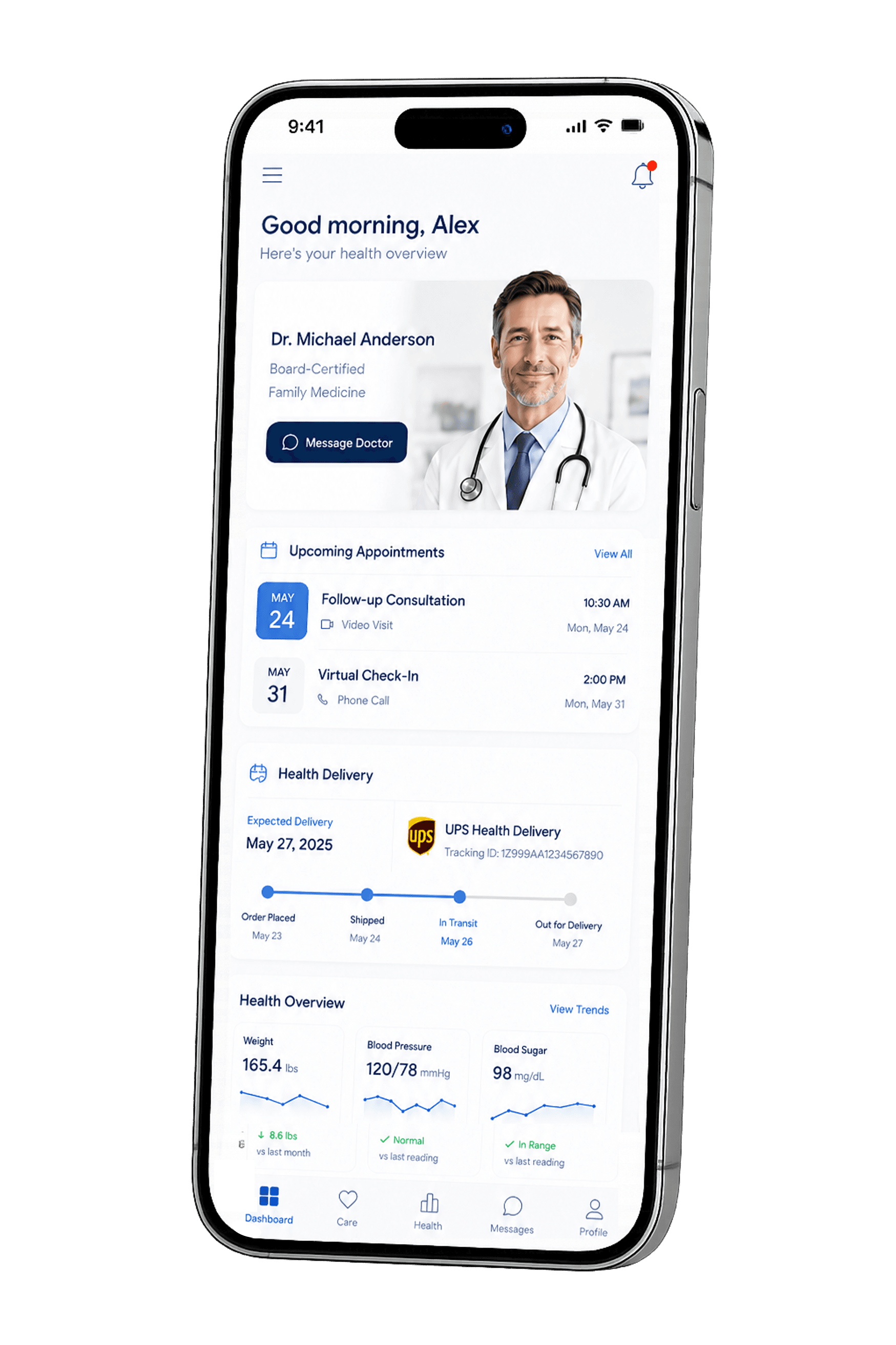
The PepMed mobile app.
Access consultations, health insights and more - all from your phone.


Stay tuned for launch updates.
PepTalk Updates
New articles, platform news and launch announcements


Virtual Care
Connect with licensed providers from wherever you are.

Treatment Access
Treatment options prescribed by licensed healthcare providers.

See Your Progress
Appointments, delivery tracking and health trends in one place.
© 2026 PepMed. All rights reserved
Access. Trust. Convenience.
A new era of Physician guided care.
_________
PepMed connects you with licensed physicians and personalized care - anytime, anywhere.
COMING SOON
The PepMed mobile app.
Access consultations, health insights and more - all from your phone.
PepTalk Updates
New articles, platform news and launch announcements
Virtual Care
Connect with licensed providers from wherever you are.
Treatment Access
Treatment options prescribed by licensed healthcare providers.
See Your Progress
Appointments, delivery tracking and health trends in one place.
© 2026 PepMed. All rights reserved
Access. Trust. Convenience.
A new era of Physician guided care.
_________
PepMed connects you with licensed physicians and personalized care - anytime, anywhere.
COMING SOON
The PepMed mobile app.
Access consultations, health insights and more - all from your phone.
PepTalk Updates
New articles, platform news and launch announcements
Virtual Care
Connect with licensed providers from wherever you are.
Treatment Access
Treatment options prescribed by licensed healthcare providers.
See Your Progress
Appointments, delivery tracking and health trends in one place.
© 2026 PepMed. All rights reserved